

Copied to clipboard

IndustriesIndustries
Healthcare
Custom Healthcare Software Development
DreamX builds secure healthcare products for patient care, clinical workflows, and medical operations.
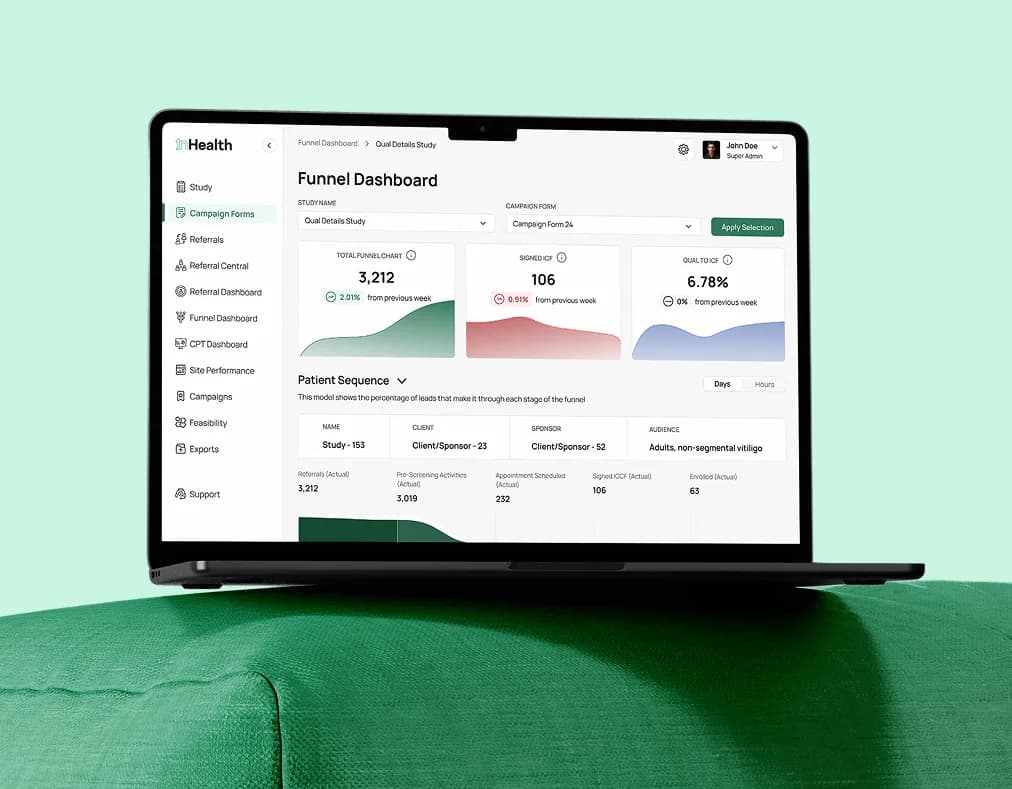
Healthcare platform
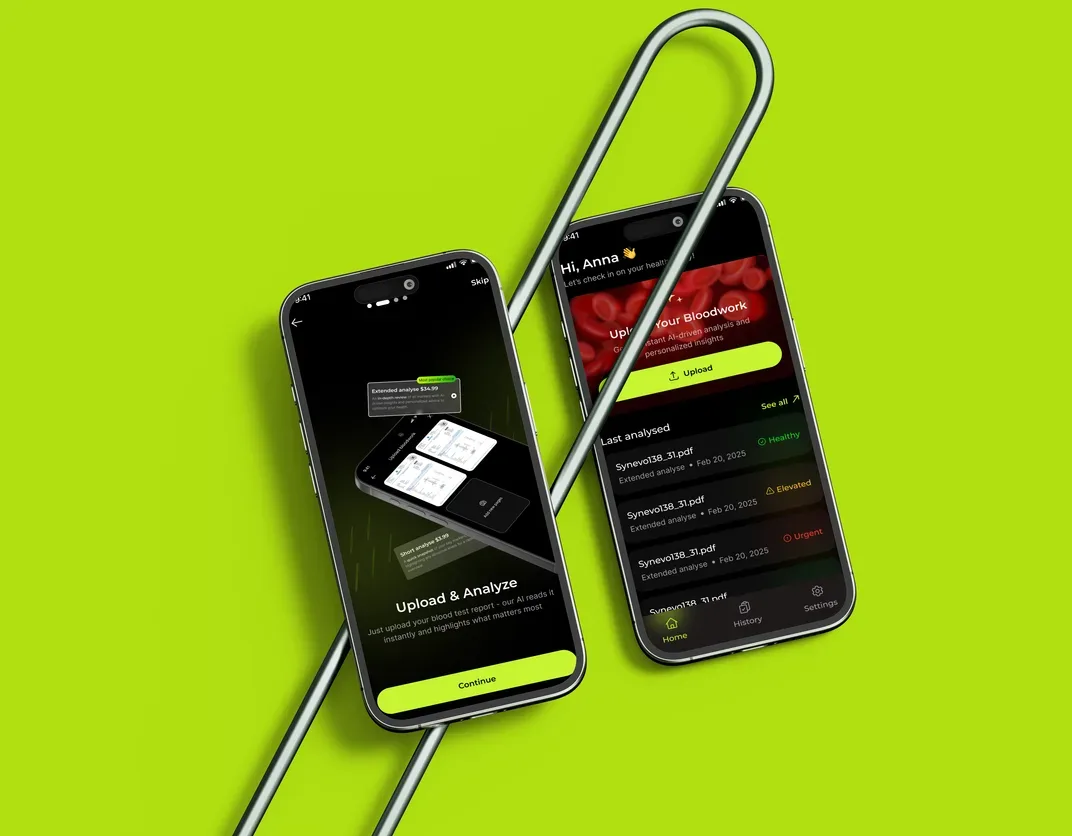
Health tracker app
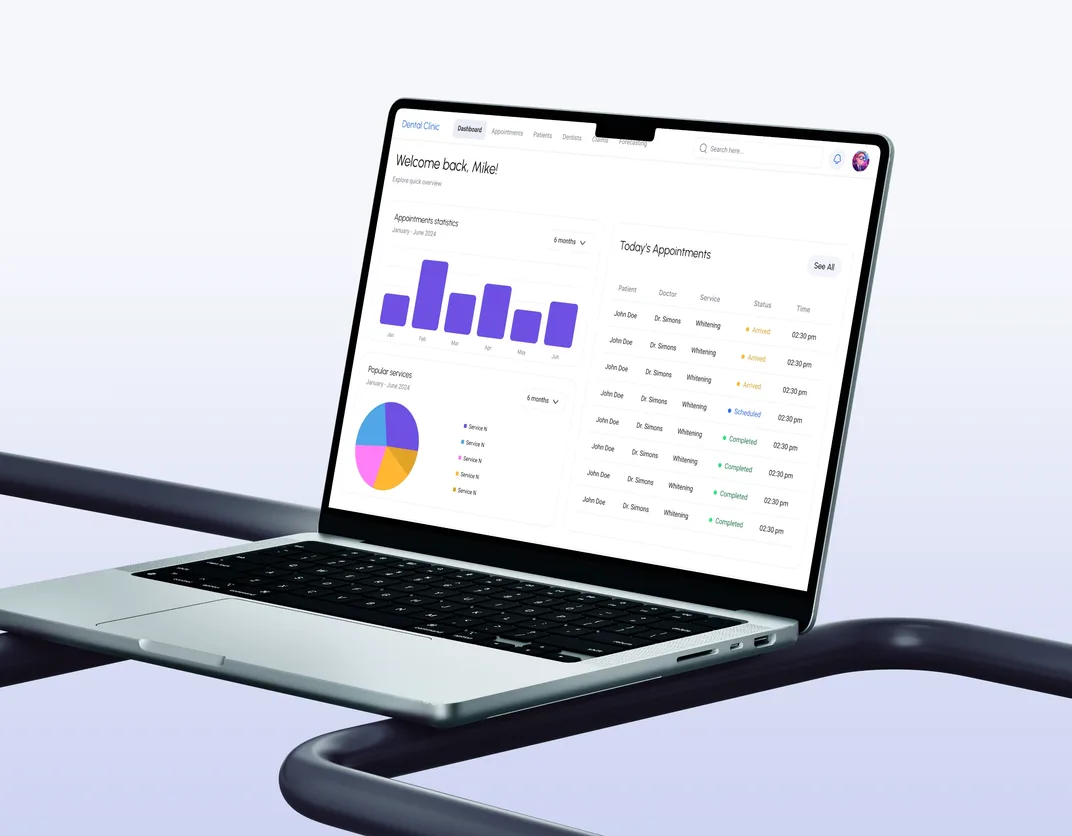
Dental CRM system
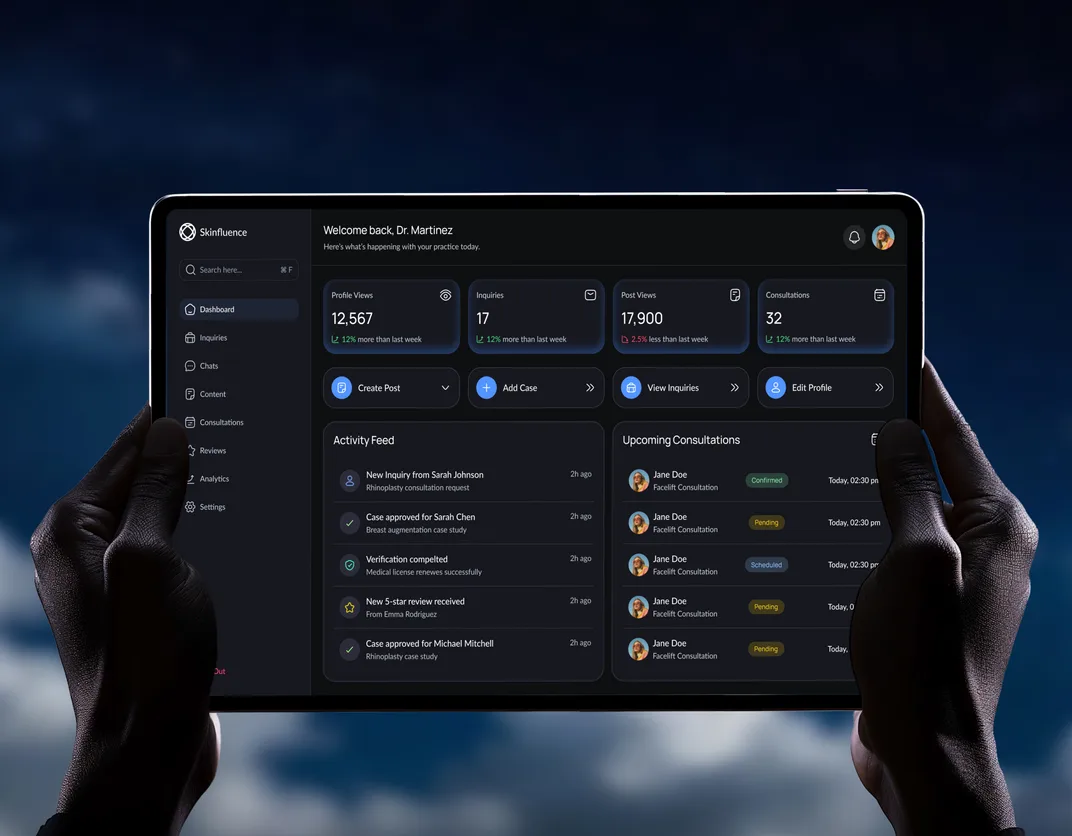
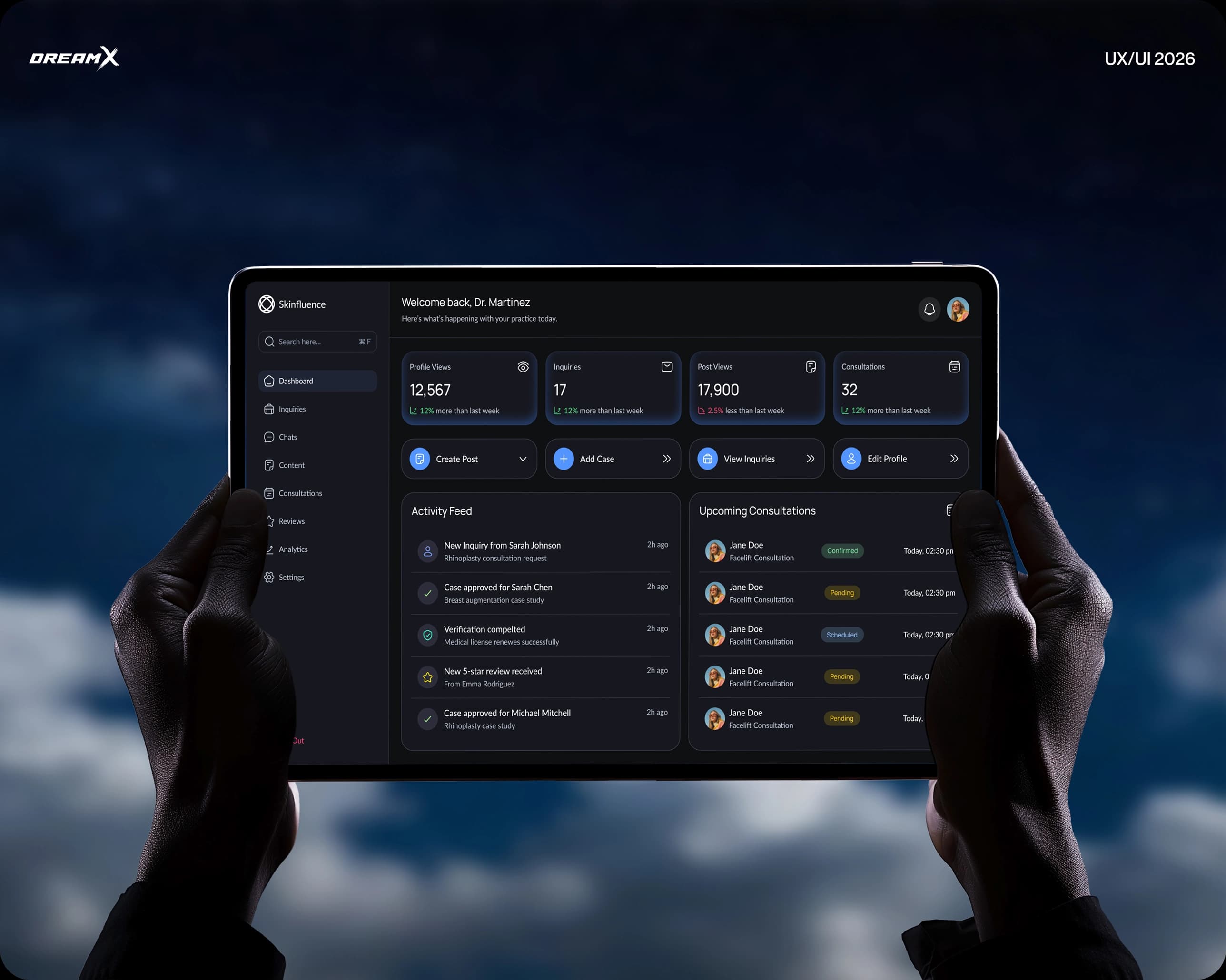
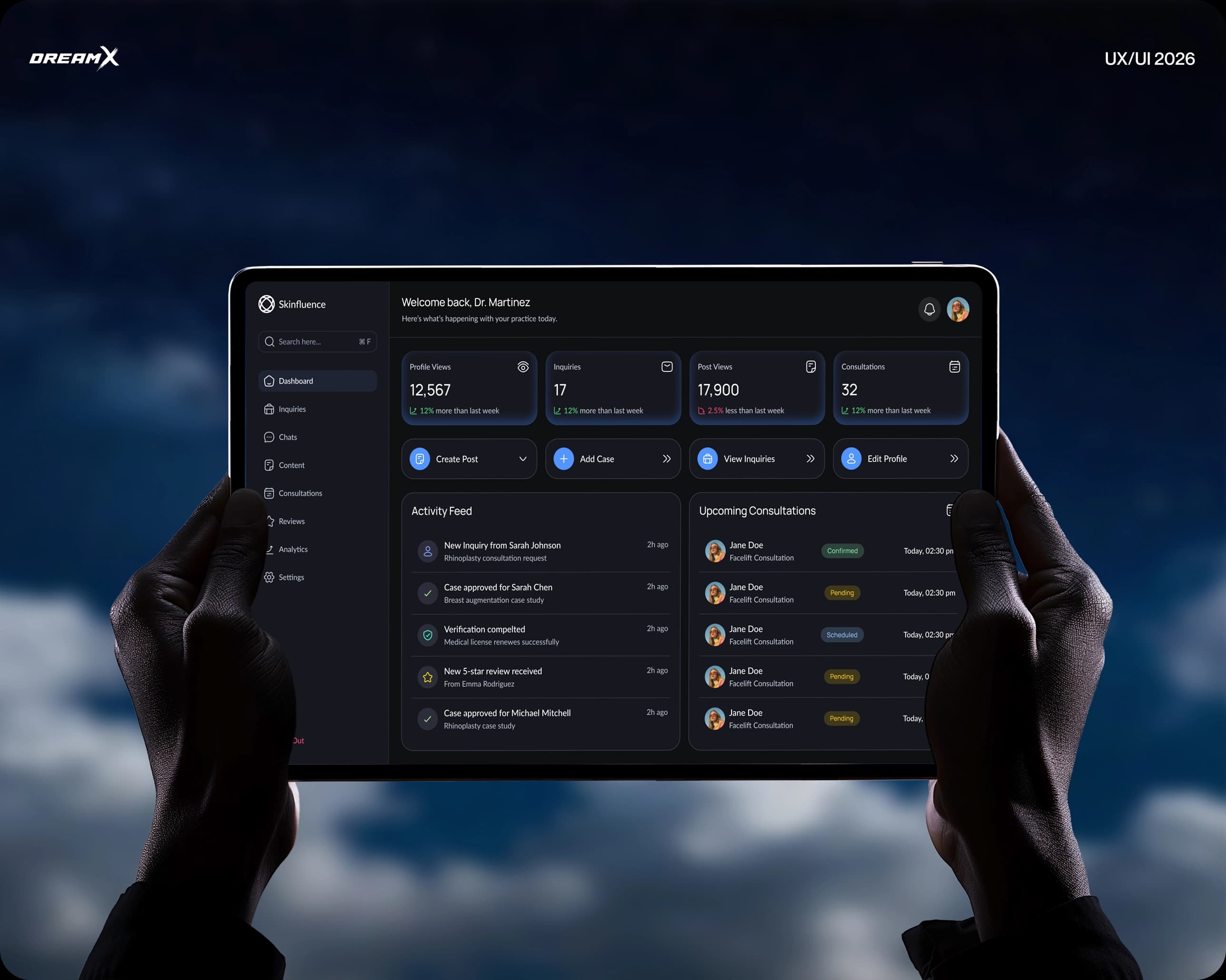
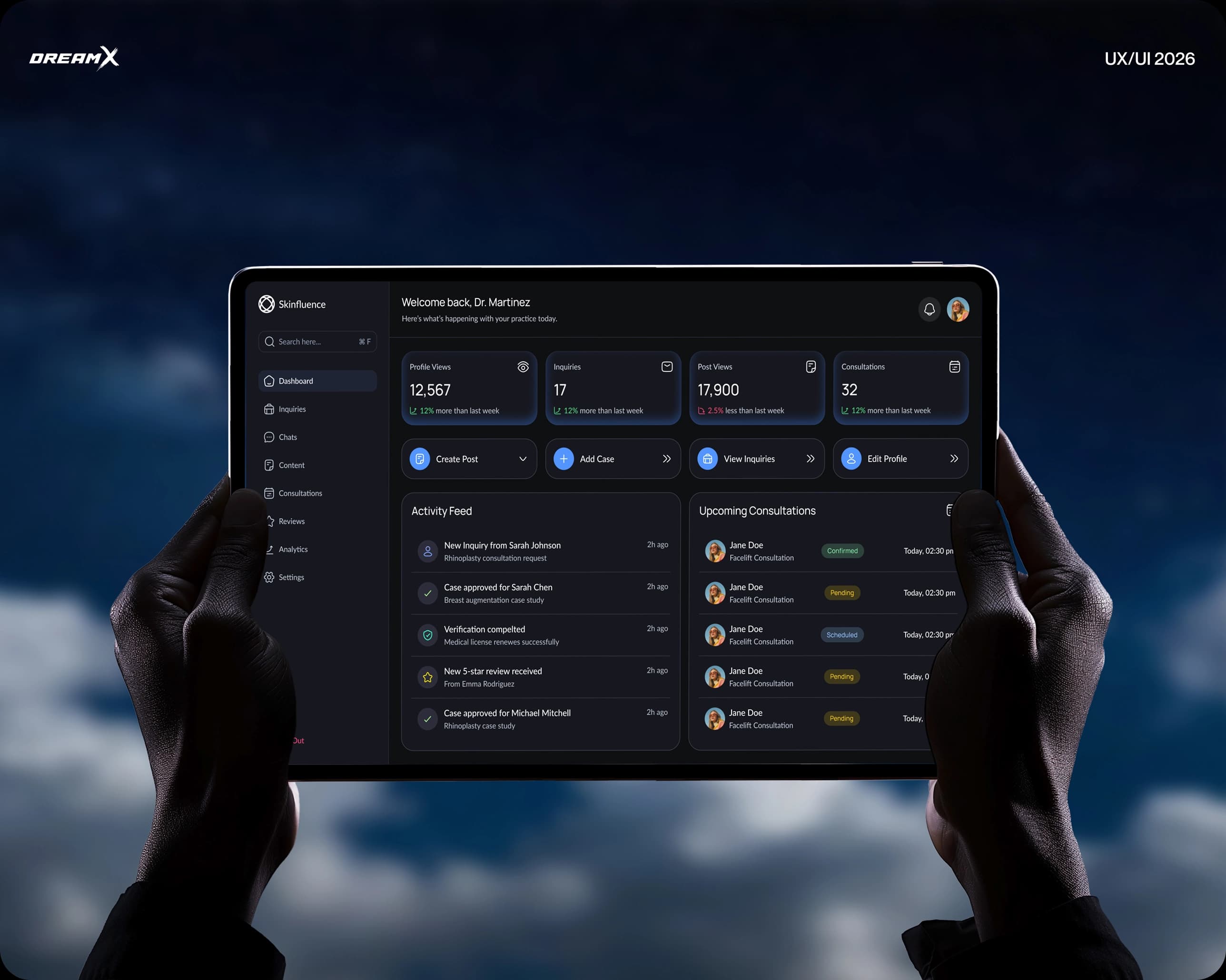
Aestetic medicine platform
Who we build for
Telemedicine Platforms
Virtual care products need clear visits, secure communication, payments, and records. DreamX designs telemedicine platforms that make remote care easier to deliver.
Mental Health & Therapy Apps
Therapy products need privacy, trust, and steady engagement. We shape apps around sessions, check-ins, messaging, progress, and safe patient communication.
Remote Patient Monitoring Solutions
Remote monitoring depends on reliable data and clear alerts. We design products that turn patient readings, trends, and care-team actions into usable workflows.
Fitness & Medical Coaching Apps
Medical coaching apps need plans, progress, reminders, and clinician input to stay connected. We create products that keep guidance practical for patients and teams.
Medical IoT & Wearable Platforms
Wearable data becomes valuable when it leads to clear action. We design platforms that connect device signals, patient trends, alerts, and clinical review.
Wellness & Preventive Care Products
Preventive care products need steady engagement without overloading users. We build experiences around routines, risk signals, education, and progress.
Rehabilitation & Recovery Platforms
Recovery platforms need a structure that patients can follow. We design rehab tools for guided plans, progress tracking, provider feedback, and safer follow-through.
How we deliver
healthcare products
DreamX creates healthcare products centered on patient data, clinical workflows, secure integrations, care team usability, and system reliability.
Healthcare discovery starts with care context, patient needs, clinical workflows, and system constraints. DreamX maps users, risks, data flows, compliance pressure, integrations, and product priorities early so the platform starts from a practical operating model.
Healthcare products serve patients, clinicians, admins, and leadership with different tasks and risk levels. We define role-based access, navigation, records logic, care flows, dashboards, and integrations so the product stays clear while handling clinical complexity.
Healthcare interfaces have to make critical information easy to read and act on. We design screens and prototypes for appointments, records, alerts, care plans, messages, and review states for teams to validate product behavior before development begins.
Development connects the product to the systems healthcare teams already rely on. DreamX builds the platform, integrates EHR, EMR, CRM, billing, lab, pharmacy, device, and analytics systems, and keeps delivery aligned with real clinical and operational use.
Before launch, we test the areas that carry real risk: access control, patient data, records, alerts, integrations, forms, notifications, performance, and edge cases. That gives the team time to validate behavior, strengthen reliability, and release with confidence.
Healthcare discovery starts with care context, patient needs, clinical workflows, and system constraints. DreamX maps users, risks, data flows, compliance pressure, integrations, and product priorities early so the platform starts from a practical operating model.
Healthcare products serve patients, clinicians, admins, and leadership with different tasks and risk levels. We define role-based access, navigation, records logic, care flows, dashboards, and integrations so the product stays clear while handling clinical complexity.
Healthcare interfaces have to make critical information easy to read and act on. We design screens and prototypes for appointments, records, alerts, care plans, messages, and review states for teams to validate product behavior before development begins.
Development connects the product to the systems healthcare teams already rely on. DreamX builds the platform, integrates EHR, EMR, CRM, billing, lab, pharmacy, device, and analytics systems, and keeps delivery aligned with real clinical and operational use.
Before launch, we test the areas that carry real risk: access control, patient data, records, alerts, integrations, forms, notifications, performance, and edge cases. That gives the team time to validate behavior, strengthen reliability, and release with confidence.
Healthcare discovery starts with care context, patient needs, clinical workflows, and system constraints. DreamX maps users, risks, data flows, compliance pressure, integrations, and product priorities early so the platform starts from a practical operating model.
Our case studies
Explore our portfolio to see the solutions we have crafted for businesses across various industries. Let our work inspire your next big project
Why healthcare teams choose us
At DreamX, healthcare software is shaped around patient trust, clinical clarity, secure data flow, and products that teams can use in real care environments.
Deep healthcare product expertise
We design for the realities of care delivery, including patient access, clinical workflows, records, scheduling, alerts, and provider communication.
Security & privacy
Patient data, access control, audit needs, and system reliability are planned early, so privacy and trust are built into the product structure.
Clinical workflow clarity
We turn complex care processes into cleaner flows for clinicians, admins, and patients, reducing confusion across daily healthcare operations.
Integration-ready architecture
Healthcare products often depend on EHR, EMR, lab, billing, pharmacy, and device systems, so integrations are considered from the start.
Practical collaboration
DreamX keeps product, design, engineering, and stakeholders aligned through clear reviews, visible progress, and grounded delivery decisions.
Build-ready delivery
Design and development output is structured for implementation, testing, and long-term product growth across clinical and operational use cases.
FAQ
What types of digital solutions do you develop for healthcare providers and medical organizations?
DreamX develops telemedicine platforms, patient portals, remote patient monitoring tools, EHR and EMR interfaces, healthcare CRM systems, practice management software, lab and diagnostic products, e-prescription tools, analytics platforms, and Healthcare SaaS products. The scope depends on the care model, users, workflows, and systems involved.
How do you approach cost estimation for healthcare software projects?
Cost estimation starts with the product scope, user roles, integrations, security needs, compliance requirements, and workflow complexity. A focused patient portal or scheduling tool costs less than a multi-role platform with EHR integration, device data, billing logic, analytics, and admin controls. DreamX scopes the product first, then estimates in clear phases.
Which factors typically impact timelines in healthcare application development?
Timelines depend on the number of user roles, clinical workflows, integrations, data requirements, approvals, compliance reviews, and testing depth. Products tied to EHRs, EMRs, lab systems, payment tools, patient data, or medical devices usually take longer because reliability and security require careful planning before launch.
What is your development and delivery process when working with hospitals or clinics?
We start by clarifying users, clinical workflows, operational constraints, integrations, data needs, and success criteria. From there, DreamX moves through UX strategy, architecture, interface design, development, system integration, testing, and launch planning. The process stays structured so hospital and clinic teams can review decisions clearly.
How do you ensure patient data security, privacy, and system reliability?
Security is planned from the earliest product decisions. We account for access control, role-based permissions, secure integrations, data handling, audit requirements, and reliability in real-world usage. For healthcare products, that also means testing critical flows carefully so patient data, records, alerts, and communication behave predictably.
Can your solutions integrate with existing hospital systems like EHR/EMR platforms?
Yes. We can connect healthcare products with EHR and EMR systems, CRM tools, billing platforms, lab systems, pharmacy services, analytics tools, medical devices, and internal databases. Integration planning starts early because clinical software becomes much more useful when it fits the systems teams already rely on.
What healthcare regulations and compliance standards do you consider during development?
Healthcare compliance depends on the market, product type, data involved, and care setting. Teams may need to consider HIPAA, GDPR, data privacy rules, accessibility, audit trails, consent, medical record handling, security standards, and internal hospital policies. DreamX builds with those requirements in mind and works with your legal or compliance team where needed.
Do you have experience working with healthcare-specific protocols and certification requirements?
Yes. Healthcare products often require structured data exchange, secure authentication, auditability, accessibility, and careful handling of patient information. Depending on scope, that may include EHR or EMR integration, HL7 or FHIR considerations, device data, clinical review flows, and certification-related planning with your internal experts.
Can you upgrade or replace outdated legacy systems in healthcare environments?
Yes. DreamX can review an existing healthcare system, identify what still works, and isolate the areas creating the most friction or risk. Some products need targeted modernization, while others need deeper replacement. The goal is to improve usability, reliability, integrations, and security without disrupting operations more than necessary.
How do you ensure scalability, long-term support, and maintainability for healthcare solutions?
Scalability starts with architecture, data structure, permissions, integrations, and code quality. DreamX plans healthcare products so new features, user roles, locations, and workflows can be added without creating avoidable complexity. After launch, we can help with maintenance, optimization, monitoring, and product improvements.
Have a project in mind?
Share a few details about your project. We'll review your requirements and recommend the best development approach.