

Copied to clipboard

IndustriesIndustries
AI Products
Custom AI Products Software Development
DreamX builds AI products that turn complex models into useful tools people can trust in daily work.
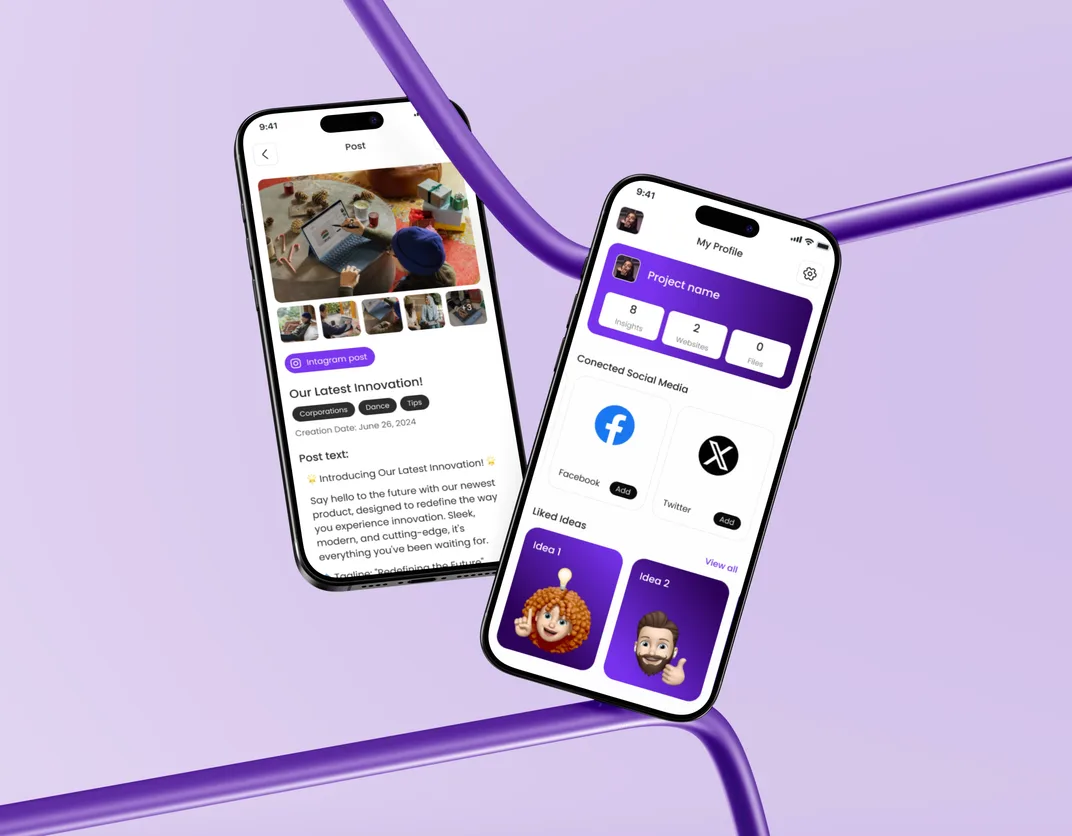
AI Assistant mobile app
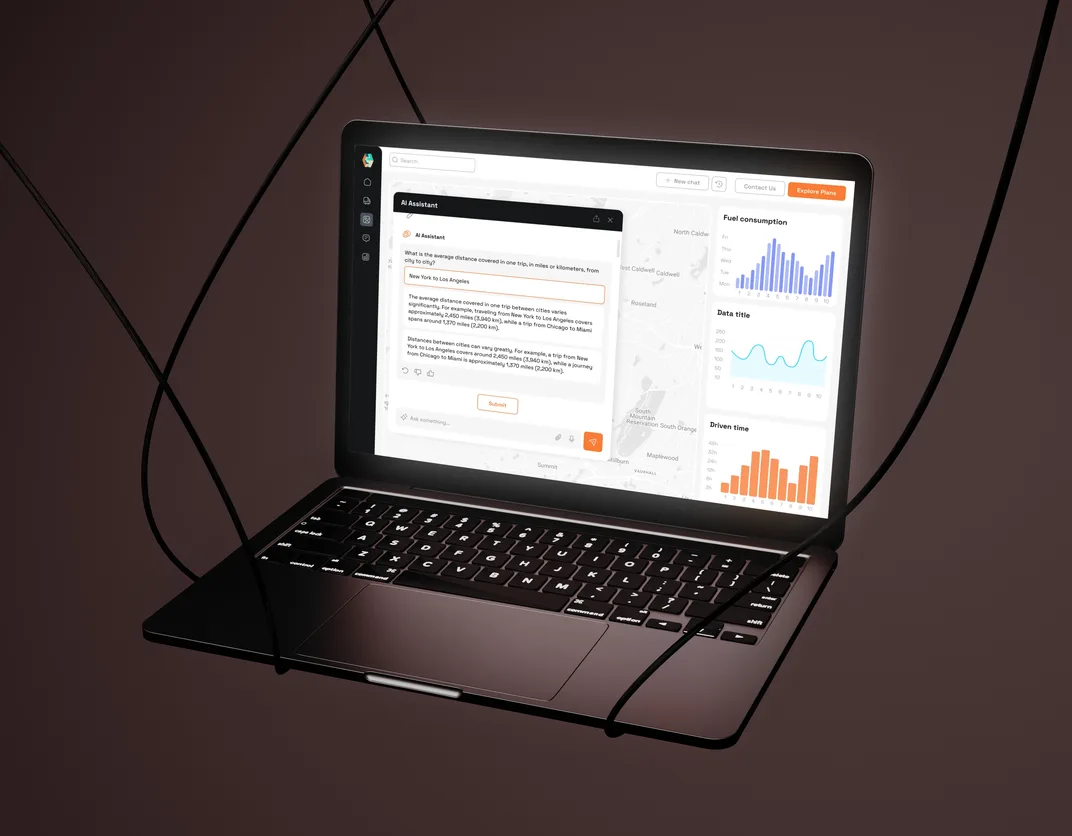
AI assistant platform
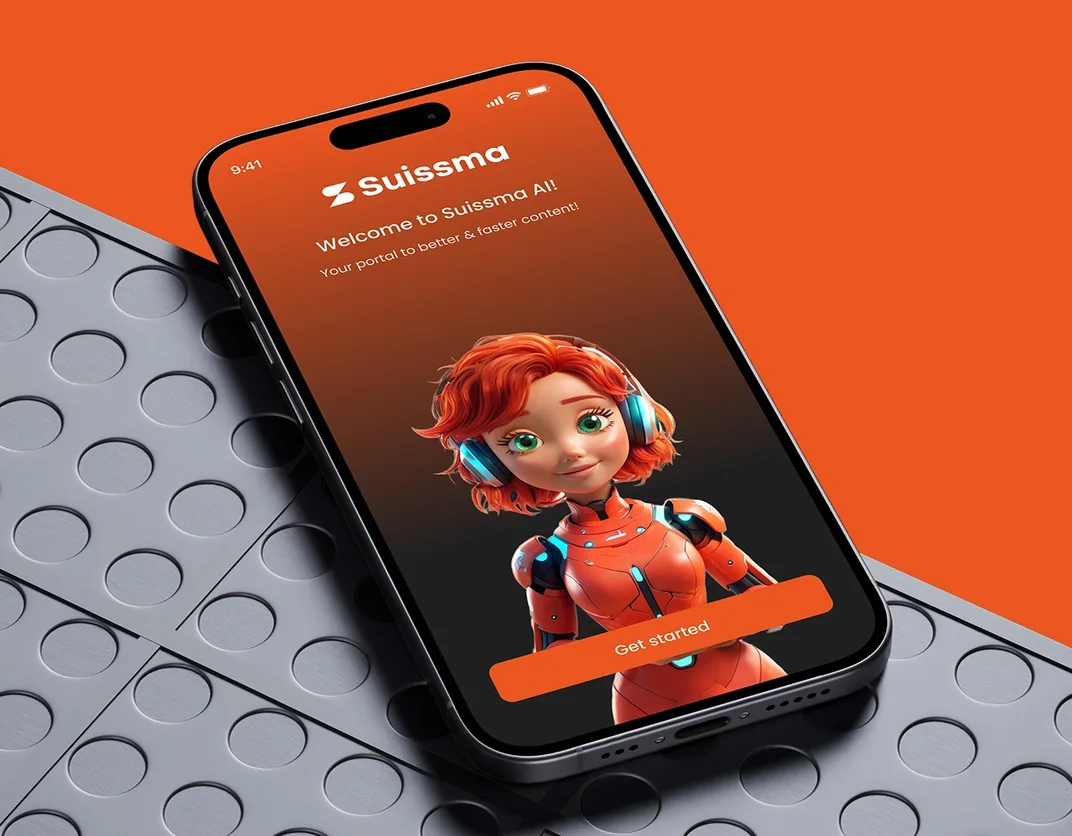
AI assistant app
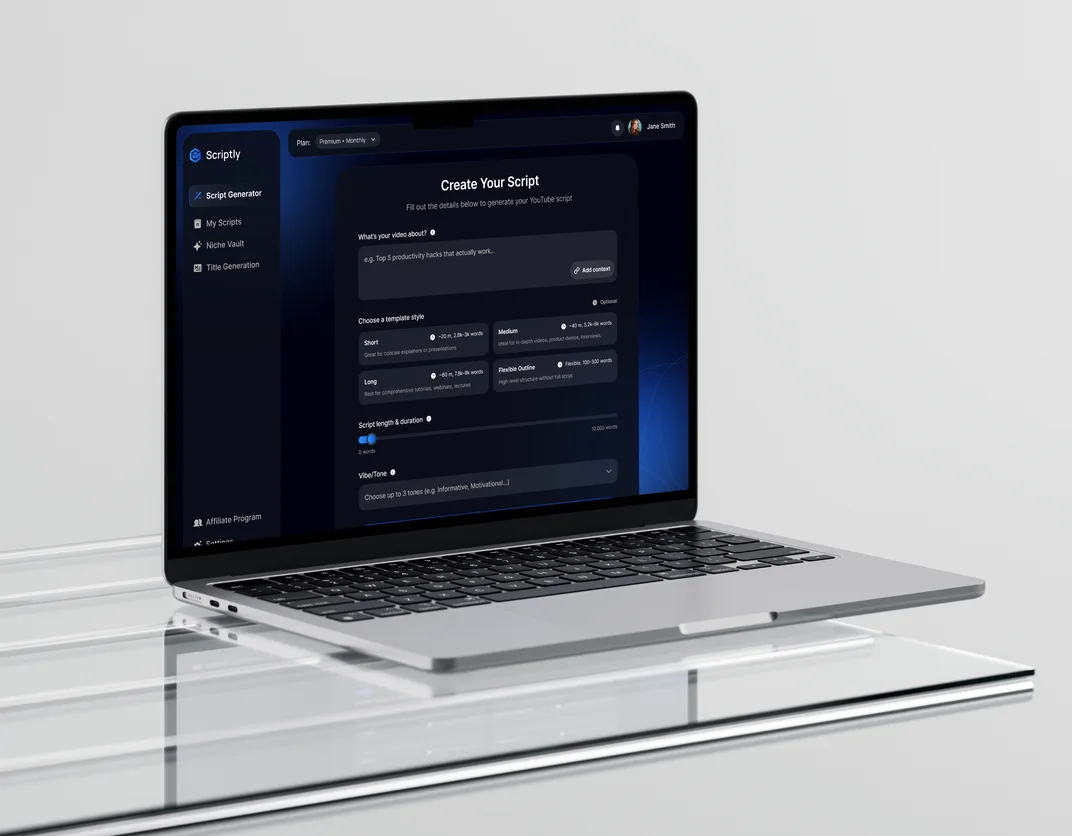
Script generator platform
Who we build for
AI SaaS Platforms
For AI SaaS products, adoption depends on trust, clarity, and repeat use. We shape platforms around real workflows, not model output alone.
AI Assistants & Chatbot Solutions
AI assistant and chatbot products need faster answers, tighter context, and cleaner escalation paths. That is where strong UX and product logic start paying off.
Generative AI Applications
Generative products succeed when output quality, review flow, and user control stay aligned. At DreamX, we turn generative AI into something teams can trust.
AI-powered Mobile & Web Apps
On mobile and web, AI has to feel useful fast. We shape product flows where automation, prediction, and assistance improve the experience instead of slowing it down.
Conversational AI Platforms
Conversational AI products break down when context, intent, and handoff feel vague. DreamX designs reliable platforms that keep dialogue clearer and more actionable.
How we deliver
AI products
We manage all stages of product creation for quality results.
At the outset, DreamX defines where AI should help and what the product needs to achieve. We work through users, workflows, data sources, and output quality so development starts with a clear product model.
Product logic comes next. We shape prompts, inputs, outputs, review steps, and system behavior so people can use the product with confidence while the architecture supports scale and iteration. That groundwork matters in AI software development solutions built for real business use.
People judge AI by how the product behaves in front of them. We design screens and prototypes for generation, review, editing, approval, and handoff, so users understand what the system is doing, what it expects from them, and what actions come next.
Build starts after the product logic, data paths, and review flow are settled. As an AI software development company, DreamX connects model providers, business tools, analytics, internal systems, and the product itself into a stable environment teams can run, monitor, and improve after launch.
Release prep goes well beyond visual polish. We test output quality, permissions, latency, fallback behavior, privacy controls, edge cases, and human review paths so the product reaches launch in a state your team can trust and your users can rely on when the work becomes real.
At the outset, DreamX defines where AI should help and what the product needs to achieve. We work through users, workflows, data sources, and output quality so development starts with a clear product model.
Product logic comes next. We shape prompts, inputs, outputs, review steps, and system behavior so people can use the product with confidence while the architecture supports scale and iteration. That groundwork matters in AI software development solutions built for real business use.
People judge AI by how the product behaves in front of them. We design screens and prototypes for generation, review, editing, approval, and handoff, so users understand what the system is doing, what it expects from them, and what actions come next.
Build starts after the product logic, data paths, and review flow are settled. As an AI software development company, DreamX connects model providers, business tools, analytics, internal systems, and the product itself into a stable environment teams can run, monitor, and improve after launch.
Release prep goes well beyond visual polish. We test output quality, permissions, latency, fallback behavior, privacy controls, edge cases, and human review paths so the product reaches launch in a state your team can trust and your users can rely on when the work becomes real.
At the outset, DreamX defines where AI should help and what the product needs to achieve. We work through users, workflows, data sources, and output quality so development starts with a clear product model.
Our case studies
Explore our portfolio to see the solutions we have crafted for businesses across various industries. Let our work inspire your next big project
Why ai products teams choose us
We help AI teams turn promising capabilities into products people can rely on.
Deep AI expertise
We know the gap between a model that looks impressive in demos and a product that holds up. That difference shapes how we plan, design and build.
Security & compliance
Access control, data handling, review flows, and privacy considerations are built into the product from the beginning, not added at the end.
Business-driven results
Our work is shaped around adoption, accuracy, operational fit, and product decisions that can support long-term value.
Full-stack product delivery
Strategy, UX, engineering, integrations, testing, and launch move through one DreamX team, which keeps the work tighter and easier to manage.
Transparent collaboration
You see steady progress, direct communication, and clear next steps as the product moves from concept into release.
Flexible payments
Milestone-based billing gives your team a clearer way to plan investment and tie spend to visible progress.
FAQ
What kind of AI solutions can you build for my business?
We build AI products for search, automation, recommendations, classification, forecasting, copilots, internal assistants, workflow tools, and decision support. The right scope depends on your users, your data, and the business outcome the product needs to deliver.
How much does it cost to develop a custom solution?
The cost of custom AI development depends on the product scope, data readiness, model approach, integrations, security needs, and the amount of design and engineering involved. A focused feature costs far less than a larger platform with multiple workflows, user roles, and governance requirements.
What factors influence the cost of an AI project?
Model choice is only one part of the cost. Budget is also shaped by data quality, system complexity, integration work, accuracy requirements, review flows, compliance pressure, and the level of oversight the product needs once it is live.
How long does it take to go from idea to launch?
The timeline depends on what has to be solved before release. A focused first version can move quickly, while a product with multiple integrations, heavier workflows, or stricter governance takes longer. We often recommend phased delivery so value can be tested earlier.
What does your development process look like?
We start by defining the use case, users, data inputs, risks, and success criteria. From there, we shape the UX, architecture, prototypes, build, integrations, testing, and launch plan. Our AI software development solutions move forward through clear product decisions, not assumptions.
Can you integrate with our existing tools and systems?
Yes. We connect AI products with internal tools, data sources, CRM and ERP platforms, analytics systems, knowledge bases, third-party APIs, and existing business software. Integration planning starts early because the product becomes far more useful once it fits the workflows your team already depends on.
How do you ensure data security and privacy?
We treat security and privacy as product requirements from the start. That includes access control, data-handling rules, data architecture decisions, integration reviews, output permissions, logging, and the points at which human review should step in. The goal is to protect sensitive data without making the product harder to use.
Have you built similar AI solutions before?
Yes. As an AI software development company, DreamX has built products that rely on search, generation, recommendation, analysis, workflow automation, and decision support. That experience helps us make sound product choices earlier and avoid gaps that slow delivery later.
What results can we expect from implementing AI?
The right AI product can reduce manual work, speed up decisions, improve consistency, uncover useful patterns, or make a service easier to scale. Our AI development solutions are built to create measurable operational value, not model demos with no clear business payoff.
Have a project in mind?
Share a few details about your project. We'll review your requirements and recommend the best development approach.