

Copied to clipboard

AI Integration Services
Connect AI to the systems, data, and workflows your business already uses without adding another disconnected tool.
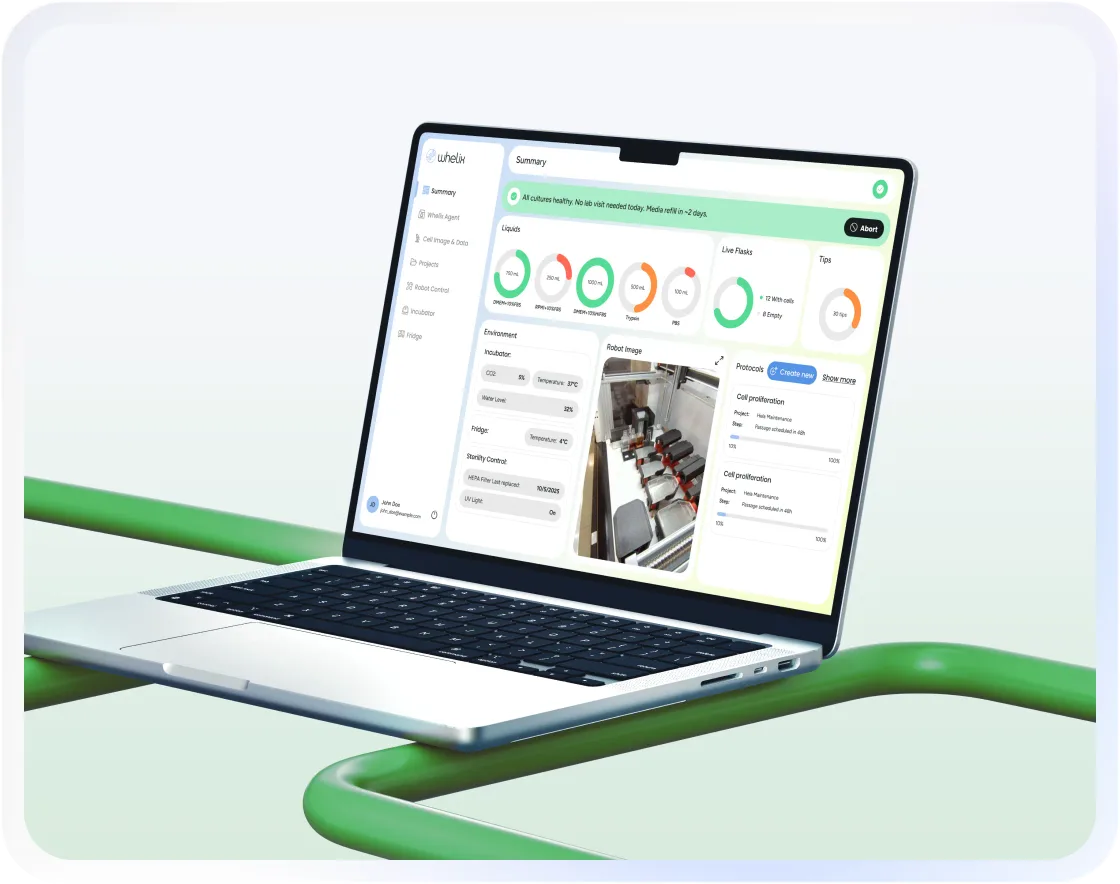
AI-powered solutions for intelligent business growth
DreamX builds AI-powered products, integrations, assistants, and automation tools around real business use cases, data flow, and product logic.
Our case studies
Explore our portfolio to see the solutions we have crafted for businesses across various industries. Let our work inspire your next big project
Technologies we use

OpenAI

Claude

Gemini

ElevenLabs

Cursor
How we provide
AI integration services
DreamX connects AI with existing products, APIs, databases, cloud tools, and business workflows through secure integration logic.
AI integration starts with the software already running inside the business. We review products, APIs, databases, data sources, user flows, access rules, and workflow gaps so the integration plan fits real operations rather than adding another tool for a team to manage.
AI services need a stable technical layer between models and business systems. DreamX plans server-side logic, authentication, API behavior, request flow, response handling, fallback states, and data routing so connected systems can exchange information reliably.
We connect AI services with CRMs, ERPs, SaaS tools, internal platforms, cloud systems, databases, and product interfaces. Development focuses on clean data movement, usable output, workflow fit, and the actions users need to complete inside the system.
AI integrations need attention after launch because APIs, models, workflows, and data sources can change. We monitor behavior, review errors, refine prompts or logic, update connections, and maintain stable communication between systems as usage grows.
AI integration starts with the software already running inside the business. We review products, APIs, databases, data sources, user flows, access rules, and workflow gaps so the integration plan fits real operations rather than adding another tool for a team to manage.
AI services need a stable technical layer between models and business systems. DreamX plans server-side logic, authentication, API behavior, request flow, response handling, fallback states, and data routing so connected systems can exchange information reliably.
We connect AI services with CRMs, ERPs, SaaS tools, internal platforms, cloud systems, databases, and product interfaces. Development focuses on clean data movement, usable output, workflow fit, and the actions users need to complete inside the system.
AI integrations need attention after launch because APIs, models, workflows, and data sources can change. We monitor behavior, review errors, refine prompts or logic, update connections, and maintain stable communication between systems as usage grows.
AI integration starts with the software already running inside the business. We review products, APIs, databases, data sources, user flows, access rules, and workflow gaps so the integration plan fits real operations rather than adding another tool for a team to manage.
Why choose us for AI integration services
DreamX connects AI with the systems your team already uses, keeping implementation practical, secure, and aligned with real business workflows.
AI Engineering Expertise
We build integrations around model behavior, API logic, data flow, and the business actions AI needs to improve.
Flexible Engagement Models
Start with technical consulting, a focused integration, prototype work, or a larger AI implementation project.
Proven Delivery Process
We move from system review to architecture, development, testing, deployment, and optimization with clear decision points.
Collaborative Partnership
Your product, engineering, and operations teams stay involved, so the integration reflects real tools, rules, and workflows.
Scalable Team Structure
Add AI engineers, backend specialists, or integration support as the scope, systems, or data complexity grows.
End-to-End Support
DreamX supports the full integration lifecycle, from planning and API work to monitoring, updates, and long-term refinement.
FAQ
What systems can AI be integrated with via a server?
AI can be integrated with CRMs, ERPs, SaaS platforms, internal tools, databases, analytics systems, cloud services, customer portals, chat products, and operational software through server-side logic. DreamX usually builds the integration layer around APIs, authentication, data routing, and response handling, so AI can operate safely within the systems your team already uses.
Can AI be connected to existing business workflows or data sources?
Yes. AI can connect to existing workflows, documents, databases, customer records, tickets, reports, product activity, or operational data. DreamX reviews how information moves today, then designs the integration so AI can read the right context, return useful output, trigger actions, or assist users without disrupting the process your team already follows.
How do you ensure secure and reliable communication between systems?
Secure AI integration starts with access control, authentication, encryption where needed, data handling rules, and careful API design. DreamX also plans request limits, error handling, fallback behavior, logging, and monitoring, so systems can exchange information predictably and teams can see when something needs attention.
Is it possible to integrate multiple AI services into one platform?
Yes. A platform can use multiple AI services for different tasks, such as chat, summarization, search, classification, recommendations, or automation. DreamX defines how each service fits into the workflow, how data flows between them, and how users review the output, so the product feels like a single system rather than a collection of disconnected AI tools.
How do you monitor and maintain AI integrations over time?
After launch, AI integrations need to be monitored for API behavior, errors, latency, model responses, data changes, and workflow performance. DreamX can refine prompts, update service connections, adjust automation logic, review logs, and improve system reliability as usage grows or business requirements change.
Have a project in mind?
Share a few details about your project. We'll review your requirements and recommend the best development approach.