Copied to clipboard

Time and Material
Time and material delivery model for projects that need flexibility, tracked effort, and room for changing priorities.
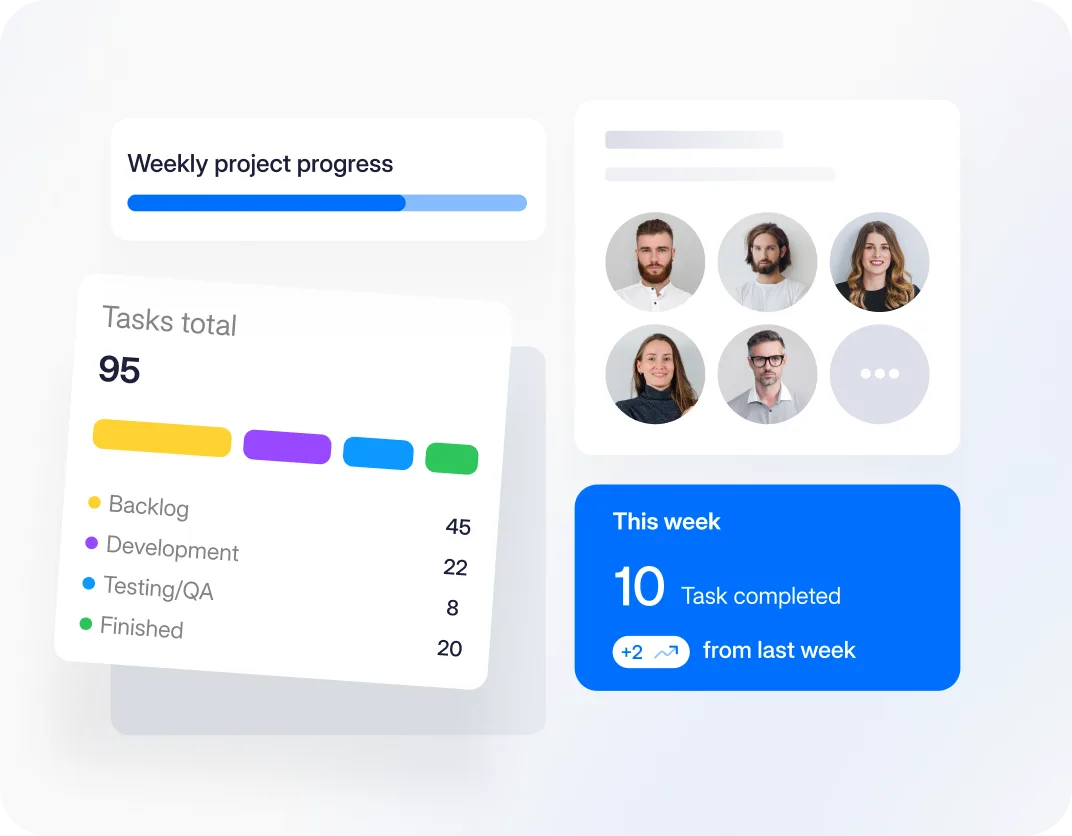
Flexible delivery models for scalable product development
At DreamX, the time and material model gives your team flexibility to adjust priorities, track effort clearly, and keep development aligned with changing product needs.
Why choose Time and Material delivery model?
The time and material model works best when the product scope needs room to evolve. DreamX keeps effort, priorities, and progress visible, so your team can adjust direction without forcing decisions into a rigid fixed-scope plan.
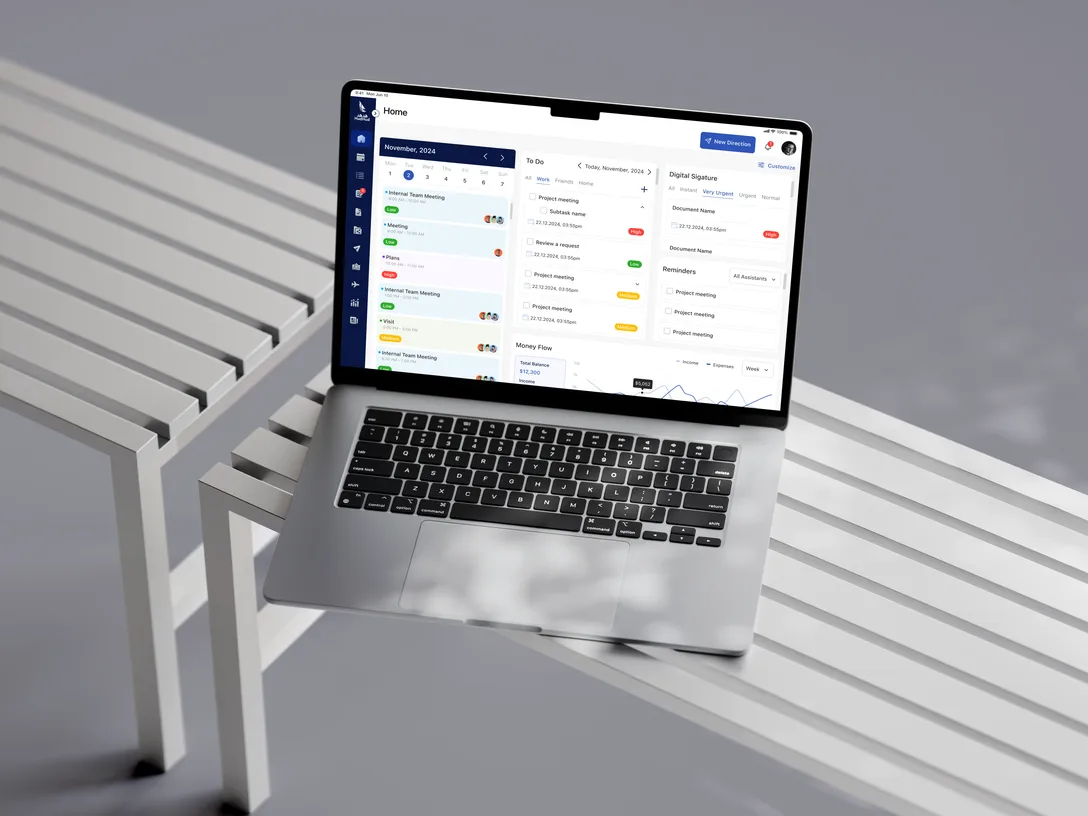
Access a vast talent pool
Add specialists as project needs change.
Reduce overhead costs significantly
Pay for actual effort, not fixed padding.
Scale your team quickly and easily
Adjust capacity as priorities shift.
Focus on your core business goals
Keep internal teams focused on strategy.
Maintain constant productivity
Use time zones to speed up work and handoffs.
How we provide delivery models services
At DreamX, we shape time and material delivery around clear priorities, transparent effort tracking, and practical decision points, so your team can keep control as the project changes.
We define the current scope, decision points, expected changes, delivery risks, and budget limits before work starts. This gives the time and material model a clear operating framework while keeping enough room for priorities to shift.
We match the team setup to the workload, technical needs, and release goals. Tasks are planned in manageable cycles, so your team can see what effort is needed now, what can be deferred, and which specialists should remain involved next.
During delivery, we track progress, blockers, quality, and priority changes as work moves forward. When requirements change, DreamX reviews the impact on effort, timeline, budget, and release goals before the team takes the next step.
You get clear reporting on hours, completed work, upcoming tasks, blockers, and budget use. This keeps spending tied to actual progress and gives your team the context needed to approve changes, pause work, or shift priorities in a timely manner.
We define the current scope, decision points, expected changes, delivery risks, and budget limits before work starts. This gives the time and material model a clear operating framework while keeping enough room for priorities to shift.
We match the team setup to the workload, technical needs, and release goals. Tasks are planned in manageable cycles, so your team can see what effort is needed now, what can be deferred, and which specialists should remain involved next.
During delivery, we track progress, blockers, quality, and priority changes as work moves forward. When requirements change, DreamX reviews the impact on effort, timeline, budget, and release goals before the team takes the next step.
You get clear reporting on hours, completed work, upcoming tasks, blockers, and budget use. This keeps spending tied to actual progress and gives your team the context needed to approve changes, pause work, or shift priorities in a timely manner.
We define the current scope, decision points, expected changes, delivery risks, and budget limits before work starts. This gives the time and material model a clear operating framework while keeping enough room for priorities to shift.
Why choose us
Our teams have experience across multiple industries, allowing us to quickly adapt delivery models to your product domain and business needs.
Developers
Our engineers drive efficient product delivery, uphold rigorous code quality standards, and build scalable architectures designed for long-term reliability.
AI & Machine Learning Engineers
We help to build data-driven automation systems that optimize workflows, reduce operational overhead, and enable faster, more informed decision-making.
Project & Product Management
Strategic leaders who translate business goals into actionable roadmaps, maintaining alignment, transparency and predictable outcomes.
Designers
Creative specialists who craft intuitive, user-centered experiences that elevate engagement, conversion, and brand perception across all digital touchpoints.
QA/QC Engineers
Dedicated quality engineers ensure every release meets the highest standards of performance, security and reliability.
Business Analysts
Analysts who bridge the gap between strategy and execution, transforming business requirements into precise technical specifications that drive ROI.
FAQ
What does a time and material engagement model involve?
A time and material engagement means you pay for the actual time and resources used during development. This model works well when the scope may change, priorities need room to shift, or your product requires ongoing decisions. DreamX keeps effort, tasks, progress, and budget visible so your team can control direction throughout delivery.
How do you track hours and project costs transparently?
DreamX tracks time, tasks, completed work, priorities, blockers, and budget use through a clear reporting process. Your team can see where effort goes, what has been delivered, and what needs attention next. This gives you better cost control than vague estimates and helps every decision stay tied to real delivery data.
When is time and material better than a fixed-price contract?
The T&M model works better when requirements are still evolving, the product needs discovery during development, or priorities may change after feedback. A fixed-price contract can work well for a stable scope, but it often creates pressure when new decisions arise. This model gives your team more flexibility while keeping work measurable and controlled.
Can we adjust priorities or scope during the project?
Yes. Priority changes are among the main reasons teams choose the time and material model. If a feature, integration, or technical requirement changes, DreamX reviews the effect on effort, timeline, budget, and release goals before the team moves ahead. This keeps changes deliberate instead of letting scope drift quietly.
How do you ensure work efficiency and deadlines?
Efficiency comes from clear sprint planning, focused tasks, active communication, and regular progress review. DreamX keeps priorities visible, reviews blockers early, and tracks delivery against agreed goals. If timelines become tight or scope changes, we help your team adjust the plan before delays become harder to manage.
Do we receive regular updates and deliverables under this model?
Yes. Your team receives regular updates, task visibility, progress reports, and deliverables tied to the current sprint or delivery phase. DreamX keeps completed work, upcoming priorities, blockers, and budget usage clear, so you can review progress continuously instead of waiting until the end of the project.
Have a project in mind?
Share a few details about your project. We'll review your requirements and recommend the best development approach.