

Copied to clipboard

Mobile App Design
Mobile app design built for clarity, retention, and product experiences people want to keep using.
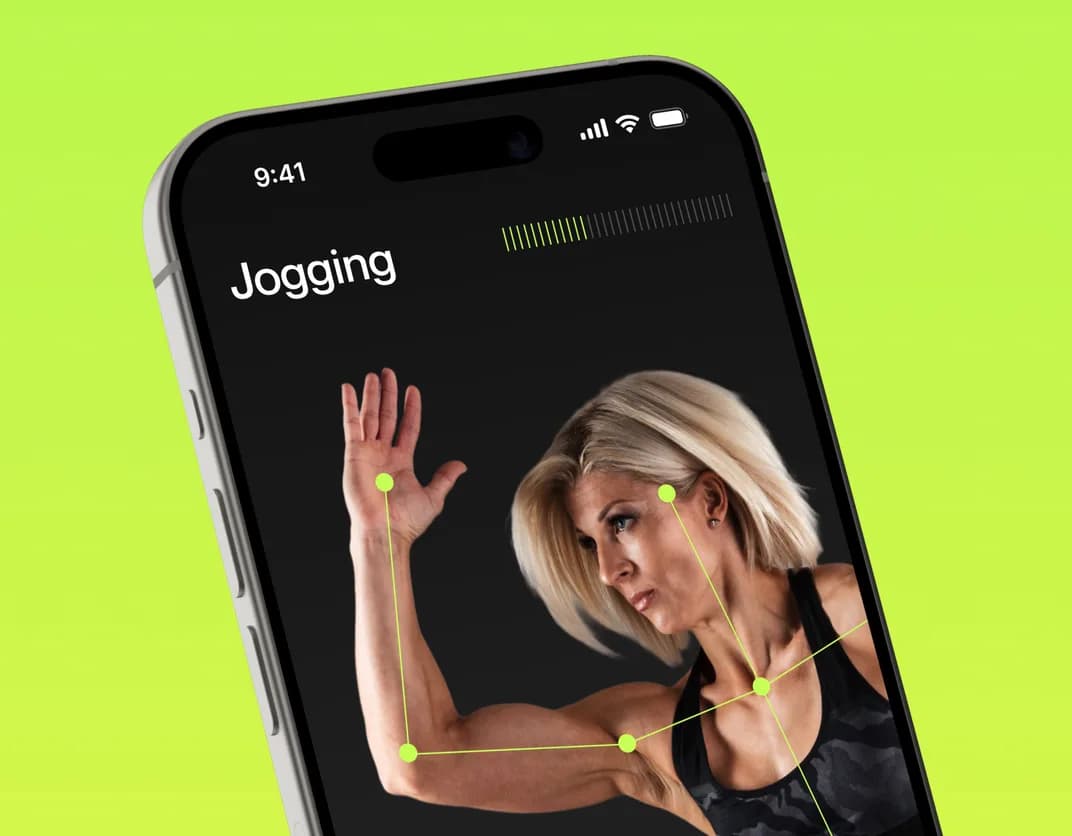
Fitness app
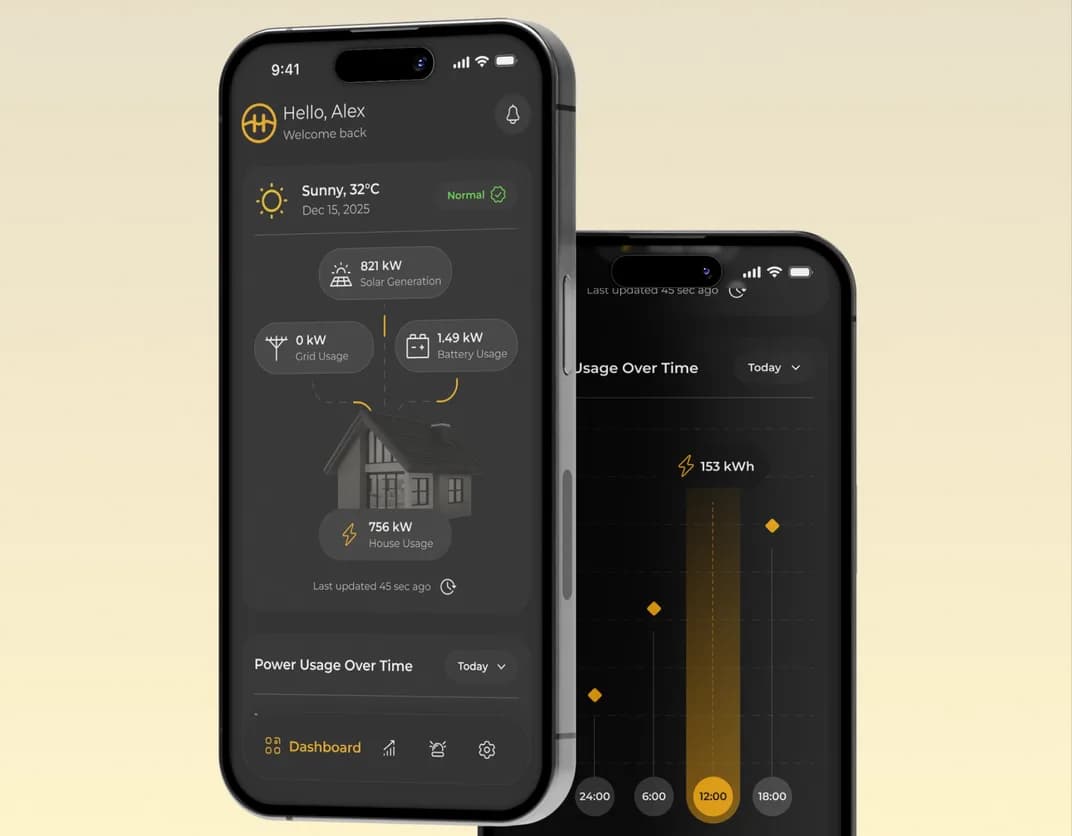
Smart energy management app
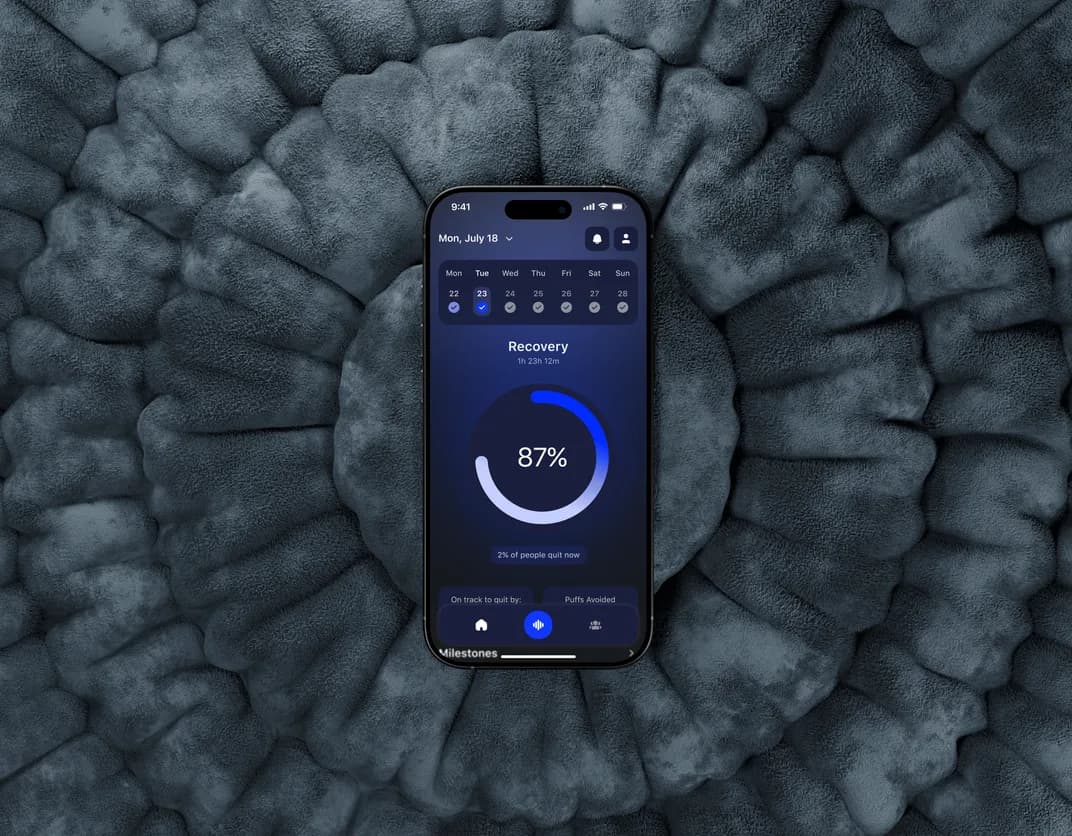
Breathing assistant app
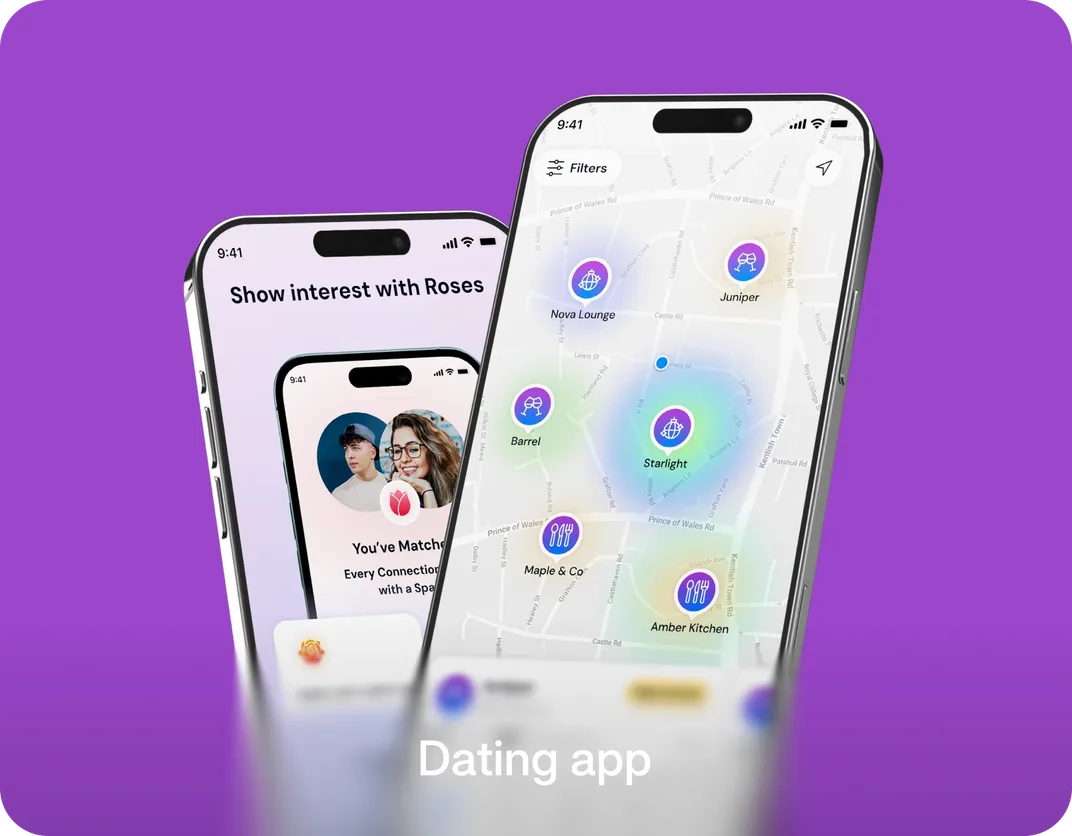
Dating app
Mobile app design built for real product behavior, clear flows , and stronger retention
At DreamX, mobile app design focuses on navigation, interaction, and screen logic that fit how people actually use phones, so the product feels easier to learn, easier to use, and easier to keep using.
Our case studies
Explore our portfolio to see the solutions we have crafted for businesses across various industries. Let our work inspire your next big project
How we provide mobile
app design services
We design mobile apps around screen behavior, touch interactions, platform patterns, and repeat use across iOS and Android.
Mobile products are shaped by context. We study user intent, core actions, session behavior, edge cases, and product priorities early, so the app structure reflects real usage patterns instead of desktop thinking forced onto a smaller screen.
Mobile UX is defined by flow, speed, and clarity under limited space. We organize navigation, gestures, task paths, and key actions so users can move through the app naturally without extra taps, hesitation, or confusion.
Interface quality matters quickly on mobile. We design visual systems with clear hierarchy, touch-friendly controls, readable content, and consistent states so the app feels polished, legible, and reliable across every key screen.
A clickable prototype shows how the app behaves before development begins. It makes screen flow, interaction logic, and critical moments visible early, so your team can validate decisions, catch friction, and refine the product while change is still easier.
Design files are prepared for real implementation, with screens, states, components, and behavior clearly defined. That gives developers a cleaner reference point and helps the final app stay aligned with the structure, interaction logic, and established design.
Mobile products are shaped by context. We study user intent, core actions, session behavior, edge cases, and product priorities early, so the app structure reflects real usage patterns instead of desktop thinking forced onto a smaller screen.
Mobile UX is defined by flow, speed, and clarity under limited space. We organize navigation, gestures, task paths, and key actions so users can move through the app naturally without extra taps, hesitation, or confusion.
Interface quality matters quickly on mobile. We design visual systems with clear hierarchy, touch-friendly controls, readable content, and consistent states so the app feels polished, legible, and reliable across every key screen.
A clickable prototype shows how the app behaves before development begins. It makes screen flow, interaction logic, and critical moments visible early, so your team can validate decisions, catch friction, and refine the product while change is still easier.
Design files are prepared for real implementation, with screens, states, components, and behavior clearly defined. That gives developers a cleaner reference point and helps the final app stay aligned with the structure, interaction logic, and established design.
Mobile products are shaped by context. We study user intent, core actions, session behavior, edge cases, and product priorities early, so the app structure reflects real usage patterns instead of desktop thinking forced onto a smaller screen.
Why choose us for mobile app design
At DreamX, mobile app design is shaped around product logic, usability, and screen-level clarity, so the final experience holds up in real usage, not just in static presentation.
Deep mobile app design expertise
Our team designs mobile products with clear flows, touch-friendly interactions, and screen logic that fit the pace and constraints of real mobile use.
Versatile industry experience
Each app is shaped by the product, audience, and operating context, so the design feels relevant to the business rather than generic across markets.
User-centered mobile app design
Every interface is built around how people tap, scan, move, and return, making the app easier to learn and easier to keep using over time.
Design integrity
From navigation structure to the visual system, every part of the app is designed to stay consistent, clear, and practical throughout implementation.
Transparent collaboration
We keep communication direct, reviews clear, and progress visible, so decisions stay grounded and feedback stays easy to act on.
Flexible approach
Our process adapts to your scope, pace, and priorities, keeping the work practical from early concepts through final handoff.
FAQ
Do you design for both iOS and Android platforms?
Yes. We design for both iOS and Android, while accounting for the differences that shape the experience on each platform. That includes navigation patterns, gestures, controls, and interface behavior, so the product feels native instead of stretched across two systems with the same design applied to both.
How do you ensure a smooth mobile user experience?
A smooth mobile experience comes from decisions made at the flow level, not just the visual level. We focus on navigation clarity, tap effort, screen hierarchy, feedback, and task completion, so the app feels easy to move through even when users are distracted, in a hurry, or returning for short sessions.
Do you follow platform-specific design guidelines?
Yes. We design with platform conventions in mind, including the iOS Human Interface Guidelines and Android Material Design principles where relevant. That helps the product feel familiar across platforms while keeping the interface aligned with your brand, product logic, and business goals.
How do you optimize design for different screen sizes?
We design mobile interfaces with responsive behavior and screen hierarchy in mind from the start. That means testing how layouts, content, controls, and key actions adapt across common device sizes, so the product stays readable, usable, and visually stable without losing flow on smaller or larger screens.
Can you design offline or low-connectivity experiences?
Yes. When mobile use depends on an unstable connection, the design has to account for that reality early. We plan states for offline access, loading, retries, saved progress, and error recovery, so the app still feels dependable when connectivity drops instead of becoming confusing or unusable.
How do you test usability on real devices?
We review usability through clickable prototypes, scenario-based checks, and testing on real devices where screen size, touch behavior, and interaction pacing can be evaluated properly. That helps us catch issues that do not appear in static screens and refine the app before development moves too far.
Have a project in mind?
Share a few details about your project. We'll review your requirements and recommend the best development approach.