

Copied to clipboard

QA/QC Testing
QA/QC testing for products that need stable releases, fewer defects, and stronger user confidence.

E-commerce platform
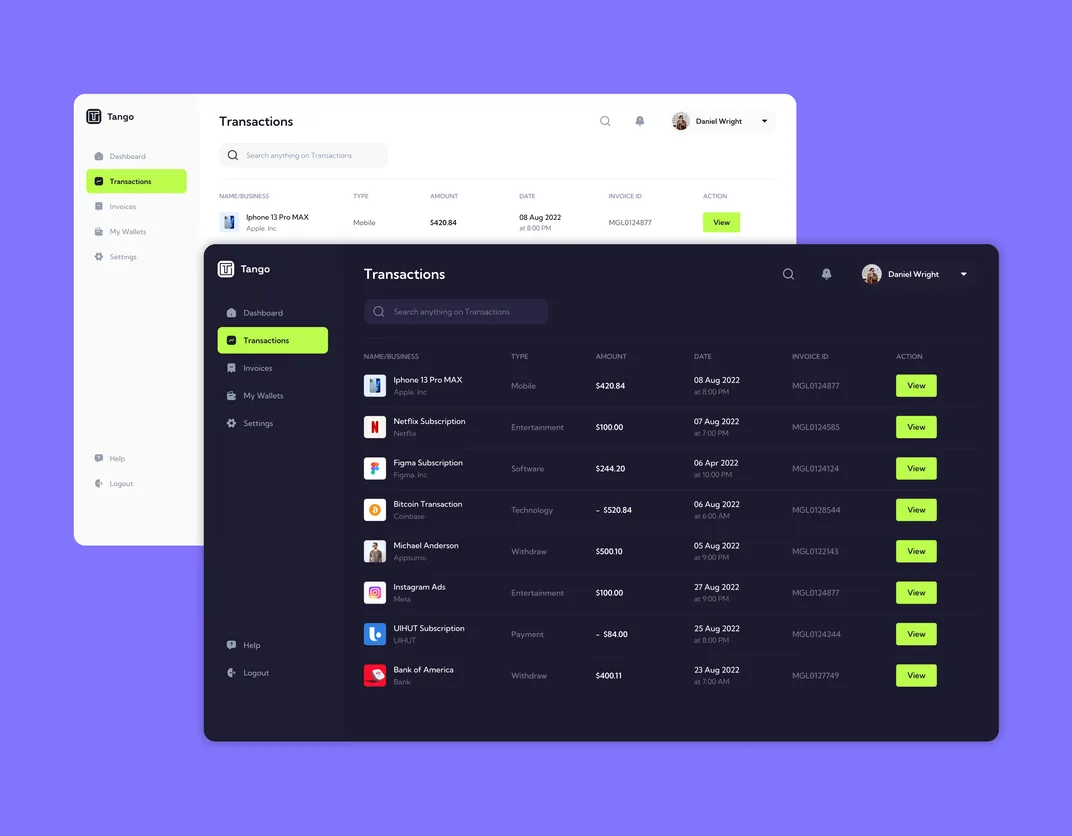
Banking platform
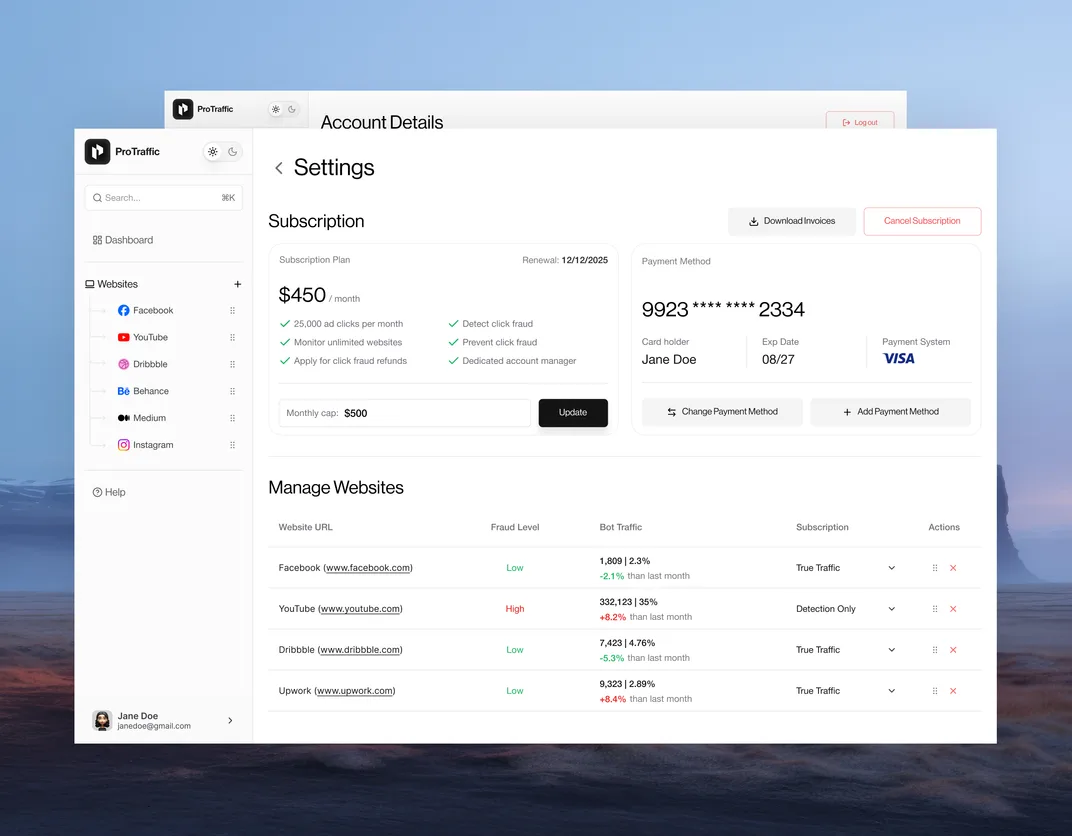
Bot detection platform
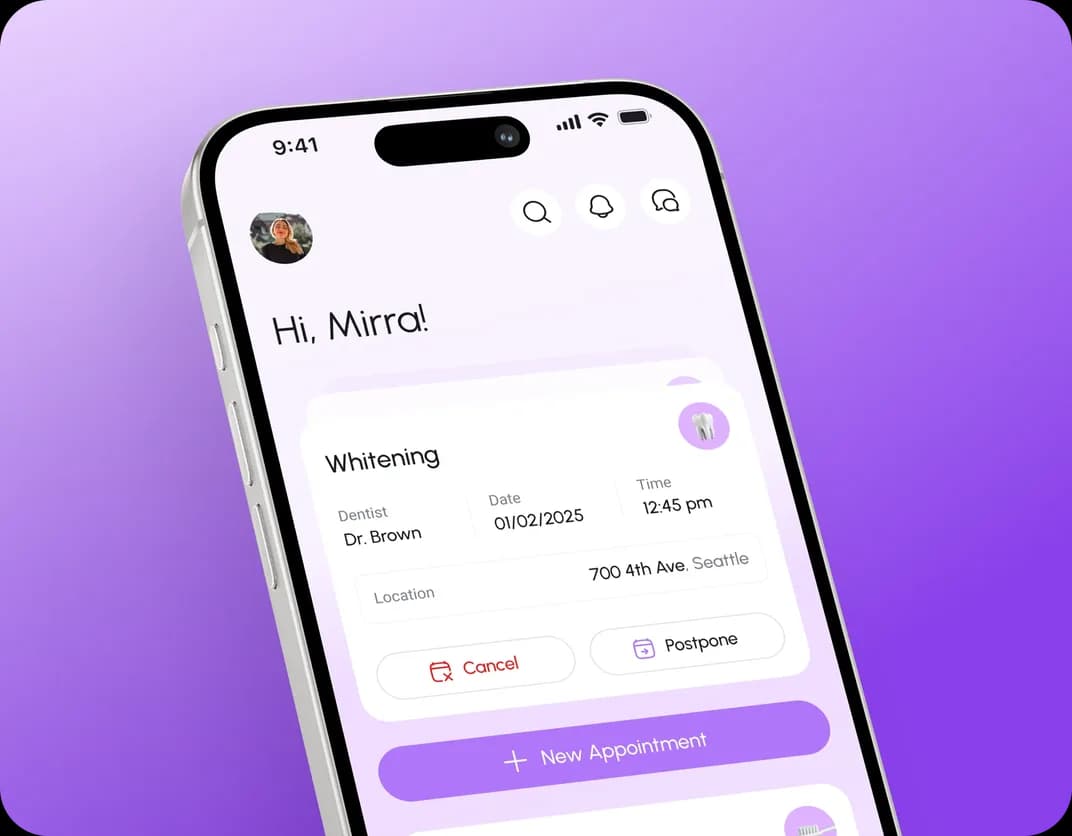
Dental clinic platform
QA/QC testing built around product reliability , release confidence , and real use
DreamX tests software through practical QA and QC workflows that check functionality, usability, performance, integrations, and release-critical behavior.
Our case studies
Explore our portfolio to see the solutions we have crafted for businesses across various industries. Let our work inspire your next big project
Technologies we use

React

Next.js

Vue.js

Nuxt.js

Angular

TypeScript

JavaScript (ES6+)

HTML5

CSS3 / SCSS

Tailwind CSS

Material UI

Bootstrap

Redux

GraphQL

Node.js

NestJS

Express.js

Python

Django

FastAPI

PHP

Laravel

Java

Spring Boot

.NET

C++

React Native

Swift

Kotlin

Expo

Testflight

AWS

Google Cloud

Microsoft Azure

Docker

Kubernetes

GitHub Actions

GitLab CI/CD

Vercel

Netlify

DigitalOcean

OpenAI

Claude

Gemini

ElevenLabs

Cursor

PostgreSQL

MySQL

MongoDB

Redis

Firebase

Supabase

Elasticsearch
How we provide QA/QC
testing services
DreamX checks product quality through functional review, regression coverage, performance checks, issue tracking, and release readiness.
Testing starts with product context, risk areas, user flows, platforms, and release goals. DreamX defines the QA approach, test scope, environments, and priorities early on so the testing process targets the parts of the product that have the greatest impact.
Manual testing checks how the product behaves across real workflows, screens, forms, permissions, and user actions. We review core functionality closely to catch defects, confusing behavior, and broken logic before they reach customers.
Automated testing helps protect stable parts of the product as new features are added. We create regression checks for critical flows, repeated actions, and core functionality so updates do not quietly break what already works.
Product quality depends on more than feature completion. We test speed, responsiveness, browser behavior, device differences, integration behavior, and edge cases to ensure the software performs more reliably in real-world conditions.
Clear reporting keeps QA useful for the whole team. DreamX documents issues, tracks severity, validates fixes, and helps confirm release readiness so product, design, and engineering teams can move forward with fewer unknowns.
Testing starts with product context, risk areas, user flows, platforms, and release goals. DreamX defines the QA approach, test scope, environments, and priorities early on so the testing process targets the parts of the product that have the greatest impact.
Manual testing checks how the product behaves across real workflows, screens, forms, permissions, and user actions. We review core functionality closely to catch defects, confusing behavior, and broken logic before they reach customers.
Automated testing helps protect stable parts of the product as new features are added. We create regression checks for critical flows, repeated actions, and core functionality so updates do not quietly break what already works.
Product quality depends on more than feature completion. We test speed, responsiveness, browser behavior, device differences, integration behavior, and edge cases to ensure the software performs more reliably in real-world conditions.
Clear reporting keeps QA useful for the whole team. DreamX documents issues, tracks severity, validates fixes, and helps confirm release readiness so product, design, and engineering teams can move forward with fewer unknowns.
Testing starts with product context, risk areas, user flows, platforms, and release goals. DreamX defines the QA approach, test scope, environments, and priorities early on so the testing process targets the parts of the product that have the greatest impact.
Why choose us for QA/QC
testing service
At DreamX, QA/QC testing is shaped around product reliability, clear reporting, and release decisions your team can make with confidence.
Product-focused testing
Testing follows real user flows, business logic, and release priorities instead of treating every screen as equal.
Manual and automated QA
We combine manual review with automation when it creates real value for regression checks and repeated product flows.
Clear bug reporting
Issues are documented with context, severity, reproduction steps, and expected behavior, making it easier to prioritize fixes.
Release risk control
Critical flows, integrations, performance, and edge cases are reviewed before launch to reduce avoidable production issues.
Practical collaboration
QA stays connected to product and engineering through clear updates, fix validation, and direct communication.
Scalable QA process
QA stays connected to product and engineering through clear updates, fix validation, and direct communication.
FAQ
What types of testing do you provide?
DreamX covers the quality checks needed to release software with more confidence, from functional behavior and regression coverage to usability, compatibility, performance, integrations, and release readiness. We shape the QA/QC scope around your product type, user flows, supported platforms, risk areas, and the level of coverage the release needs.
How do you ensure software reliability before release?
Software reliability comes from testing the product against real workflows, not only checking isolated features. We review core flows, permissions, integrations, forms, performance, edge cases, and regression risks before release. Issues are documented, prioritized, fixed, and rechecked so the final product moves toward launch with fewer unknowns.
Do you offer automated and manual testing?
Yes. Manual testing is useful for user flows, usability, visual behavior, and product logic that needs human judgment. Automated testing is better for repeated checks, stable workflows, and regression coverage. DreamX uses both approaches where they fit, so the QA process is practical instead of one that adds automation for its own sake.
How early in the process do you start testing?
Testing can start as soon as product logic, requirements, or prototypes are clear enough to review. Early QA helps catch gaps in flows, acceptance criteria, edge cases, and technical assumptions before development moves too far. During the build, testing continues with feature checks, regression review, fix validation, and release readiness checks.
Can you test existing products or only new ones?
Yes. DreamX can test new products, existing software, legacy systems, web apps, mobile apps, websites, internal tools, and products already in production. For existing systems, we usually begin by identifying core flows, recurring issues, integrations, performance concerns, and areas where users or internal teams face the most friction.
How do you report and track issues?
We report issues with clear reproduction steps, expected behavior, actual behavior, screenshots or recordings when useful, severity, and environment details. Bug tracking is possible within Jira, Linear, ClickUp, Trello, GitLab, or your established system. After fixes are made, DreamX rechecks the issue and confirms if the product behavior is ready to move forward.
Have a project in mind?
Share a few details about your project. We'll review your requirements and recommend the best development approach.