

Copied to clipboard

Software Integration
Software integration for companies seeking connected systems, cleaner data flows, and fewer operational gaps.
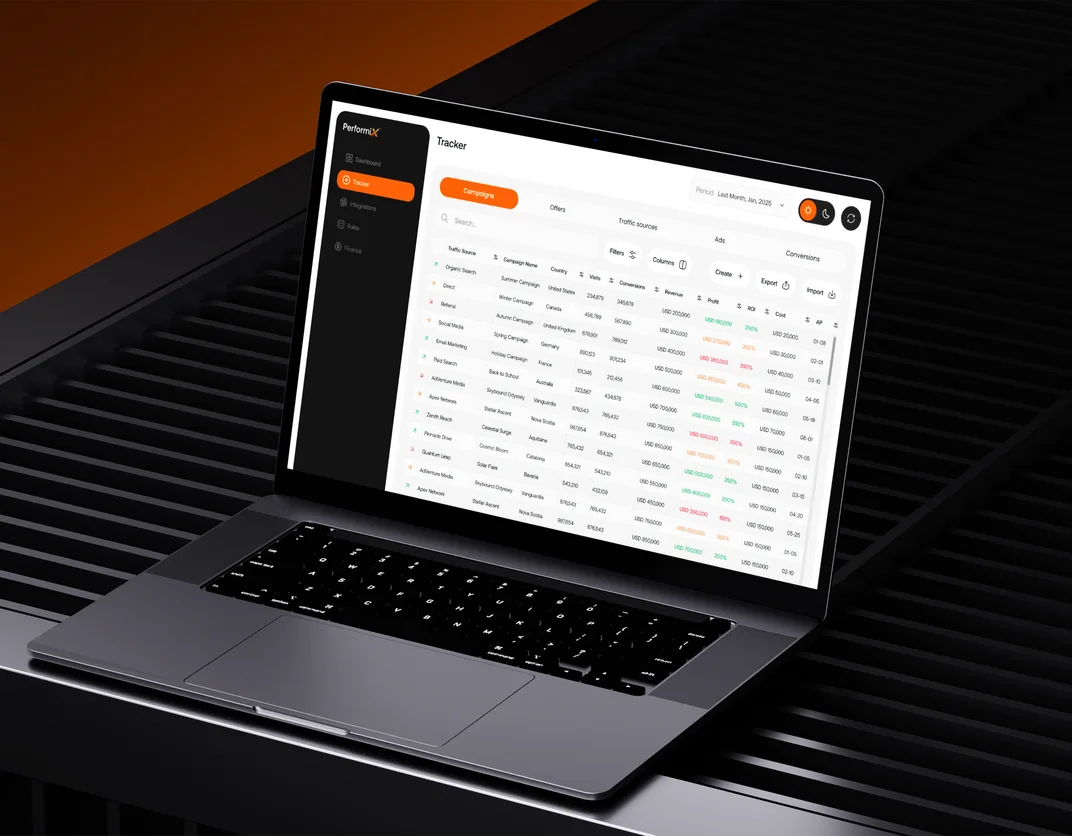
Work management platform

Fintech platform
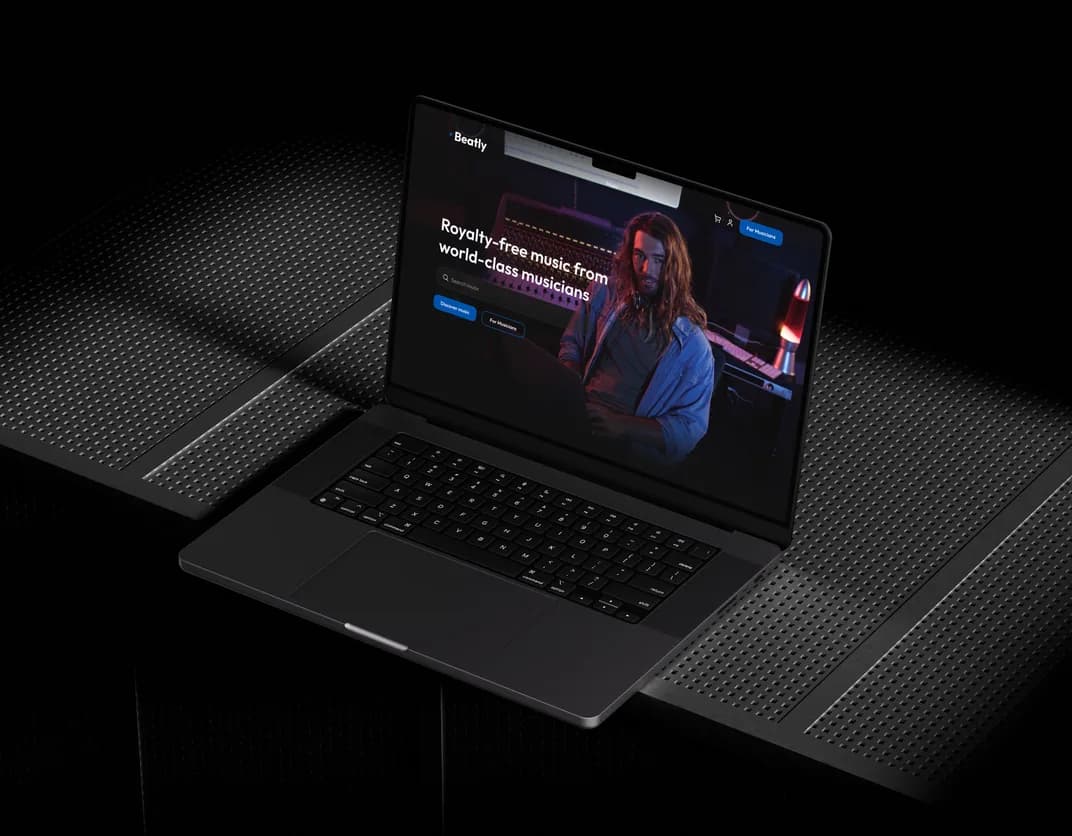
Music marketplace platform
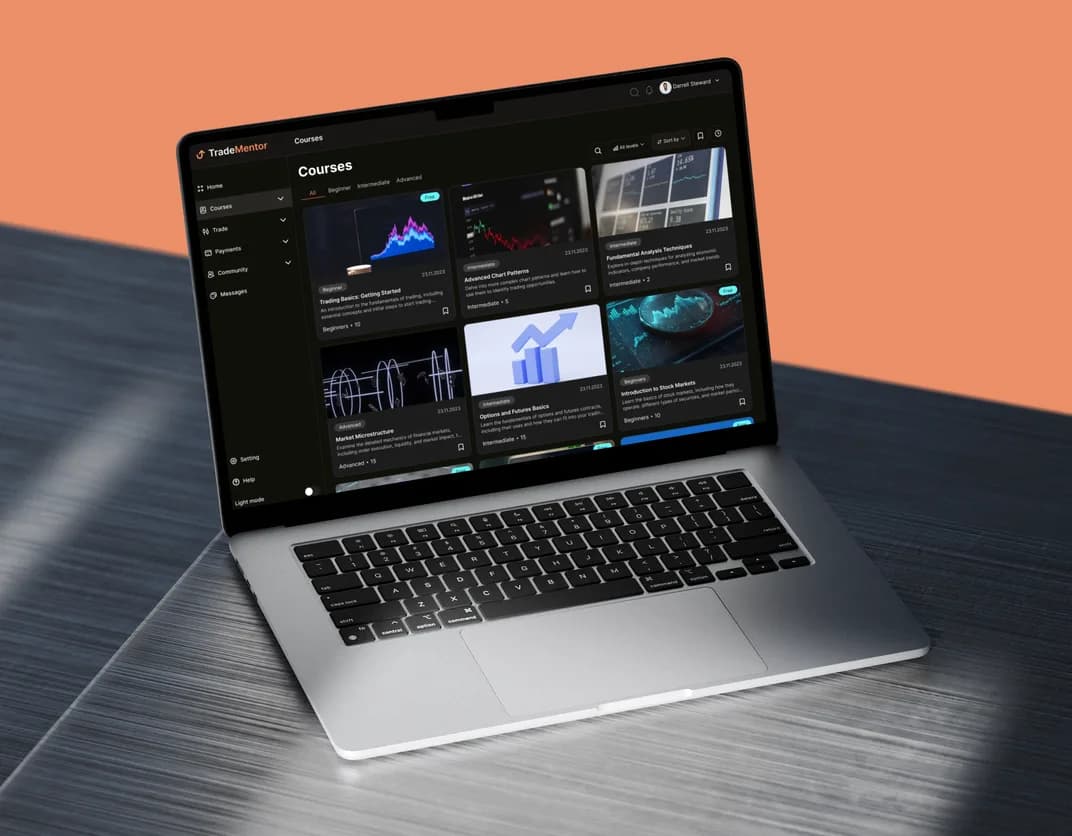
Trading learning platform
Software integration built around reliable data flow, APIs , and system alignment
DreamX connects the tools, platforms, APIs, and databases your business depends on, so data flows seamlessly and teams can work within a single connected system.
Our case studies
Explore our portfolio to see the solutions we have crafted for businesses across various industries. Let our work inspire your next big project
Technologies we use

React

Next.js

Vue.js

Nuxt.js

Angular

TypeScript

JavaScript (ES6+)

HTML5

CSS3 / SCSS

Tailwind CSS

Material UI

Bootstrap

Redux

GraphQL

Node.js

NestJS

Express.js

Python

Django

FastAPI

PHP

Laravel

Java

Spring Boot

.NET

C++

React Native

Swift

Kotlin

Expo

Testflight

AWS

Google Cloud

Microsoft Azure

Docker

Kubernetes

GitHub Actions

GitLab CI/CD

Vercel

Netlify

DigitalOcean

OpenAI

Claude

Gemini

ElevenLabs

Cursor

PostgreSQL

MySQL

MongoDB

Redis

Firebase

Supabase

Elasticsearch
How we provide software integration services
We connect systems, APIs, databases, and business tools so that data flows cleanly and teams can work within a single connected setup.
Integration work starts with a clear view of your current systems, data sources, dependencies, and operational gaps. DreamX maps how information moves today, where it breaks, and what needs to connect before technical decisions are made.
Data flow has to be planned before connections are built. We define integration logic, API behavior, authentication, sync rules, error handling, and system ownership so every connection has a clear technical role.
APIs and middleware create the layer that enables systems to communicate without resorting to fragile workarounds. DreamX builds integration logic that connects platforms, reliably moves data, and keeps core business tools aligned.
Before an integration goes live, we test how data moves, updates, and behaves across connected systems. We review accuracy, field mapping, sync timing, permissions, edge cases, and failure points to catch issues before they disrupt daily operations.
After release, integrations need visibility. We help monitor system behavior, track errors, refine data flow, and improve performance so connected platforms remain stable as tools, traffic, and business needs change.
Integration work starts with a clear view of your current systems, data sources, dependencies, and operational gaps. DreamX maps how information moves today, where it breaks, and what needs to connect before technical decisions are made.
Data flow has to be planned before connections are built. We define integration logic, API behavior, authentication, sync rules, error handling, and system ownership so every connection has a clear technical role.
APIs and middleware create the layer that enables systems to communicate without resorting to fragile workarounds. DreamX builds integration logic that connects platforms, reliably moves data, and keeps core business tools aligned.
Before an integration goes live, we test how data moves, updates, and behaves across connected systems. We review accuracy, field mapping, sync timing, permissions, edge cases, and failure points to catch issues before they disrupt daily operations.
After release, integrations need visibility. We help monitor system behavior, track errors, refine data flow, and improve performance so connected platforms remain stable as tools, traffic, and business needs change.
Integration work starts with a clear view of your current systems, data sources, dependencies, and operational gaps. DreamX maps how information moves today, where it breaks, and what needs to connect before technical decisions are made.
Why choose us for
software integration
At DreamX, we center software integration on reliable data movement, a clean system architecture, and business processes that require connected tools to run properly.
System-level thinking
We look at the full operating setup first, so integrations address actual process gaps instead of creating another fragile technical layer.
Strong API expertise
API logic, authentication, field mapping, and error handling are carefully planned to ensure systems communicate reliably in daily use.
Legacy system knowledge
We can connect older platforms to modern tools through careful mapping, middleware, and migration planning that reduce operational risk.
Cleaner data flow
We design integrations around accurate data movement, sync timing, ownership rules, and validation points that keep records more reliable.
Scalable architecture
We plan integration logic for future tools, new data sources, higher volume, and product growth without creating avoidable rework.
Transparent delivery
You get clear technical planning, visible progress, and practical communication, so integration decisions stay easy to review.
FAQ
What types of systems can you integrate?
DreamX can integrate CRMs, ERPs, payment systems, booking tools, analytics platforms, cloud services, databases, internal software, APIs, and third-party products. The exact scope depends on how your business operates, where data needs to flow, and which systems need to remain aligned for daily operations, reporting, and customer-facing actions.
Can you connect legacy systems with modern platforms?
Yes, legacy systems can often be connected to newer platforms through APIs, middleware, database logic, or controlled data exchange. At DreamX, we first review the current system, then define the safest integration path. The goal is to improve connectivity without creating unnecessary disruption for the teams already relying on those tools.
How do you handle API integrations?
API integration starts with the data, actions, permissions, and timing each system needs. We review documentation, define authentication, map fields, plan error handling, and test the connection under real use cases. That helps the integration behave predictably instead of breaking when data changes, users act quickly, or volume grows.
What challenges typically arise during integration?
Common issues include incomplete API documentation, inconsistent data formats, weak authentication logic, duplicate records, sync delays, and systems built with different rules. DreamX addresses those risks early by mapping dependencies, validating data flow, testing edge cases, and planning fallback behavior before the integration reaches production.
How do you ensure data consistency across systems?
Data consistency comes from clear ownership rules, field mapping, validation logic, sync timing, and error handling. DreamX defines which system holds the source record, how updates move, and where conflicts should be resolved. That keeps connected tools more reliable and reduces the manual cleanup teams often face after poor integration work.
Can integrations be scaled as the business grows?
Yes. We can plan an integration architecture to support new tools, increased data volume, more users, and additional business processes. DreamX designs connections with maintainability in mind, so future systems can be added without turning the integration layer into a patchwork. That gives your team a cleaner path as operations become more complex.
Have a project in mind?
Share a few details about your project. We'll review your requirements and recommend the best development approach.