

Copied to clipboard

Web App Design
DreamX delivers web app design for products that need clearer workflows, stronger usability, and room to scale.
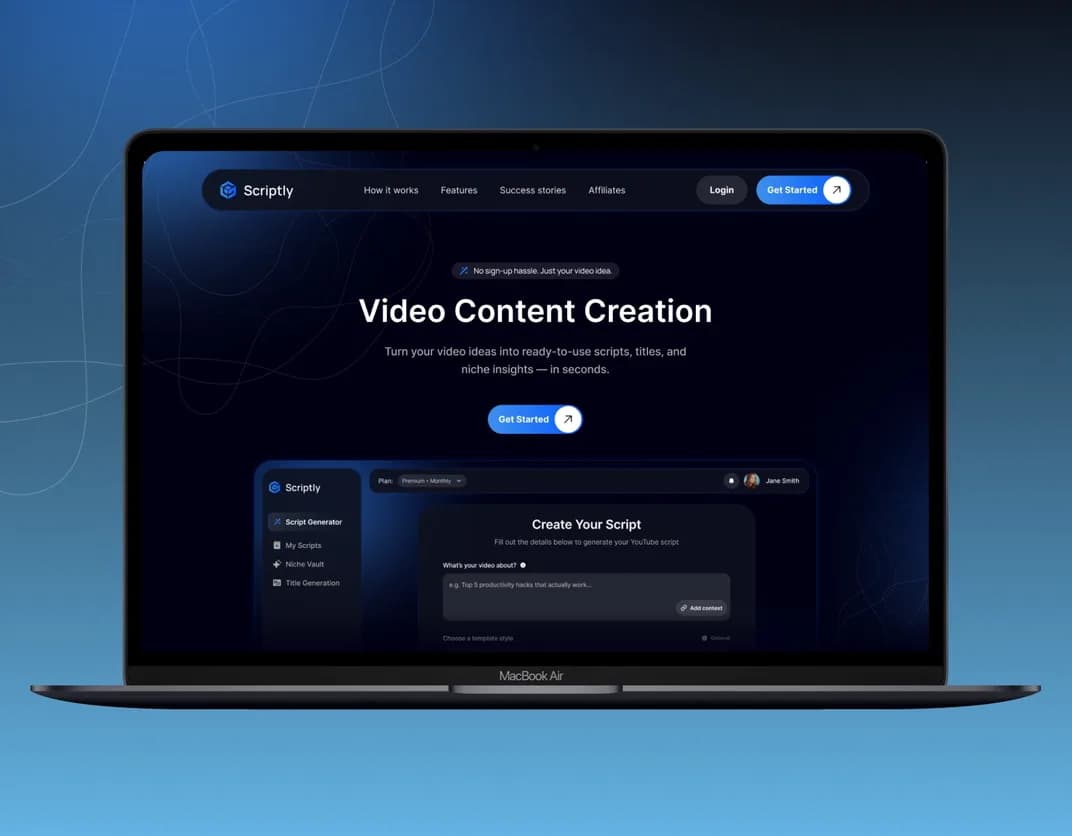
AI script generator
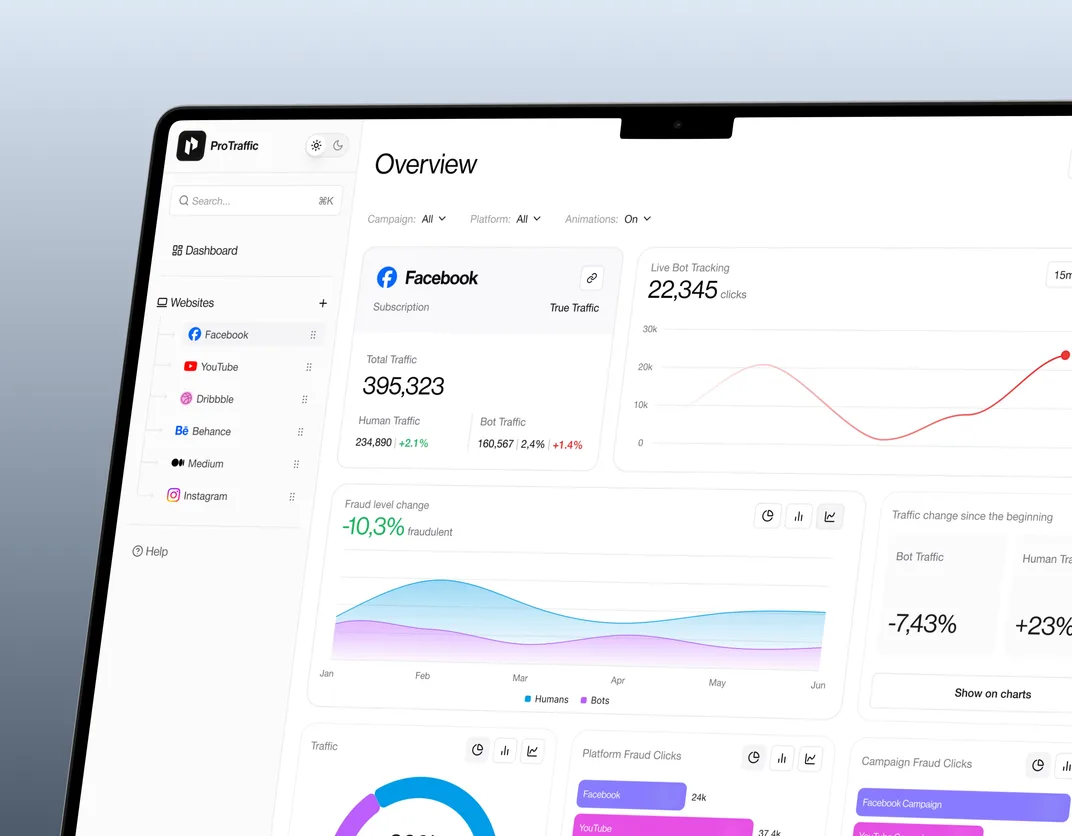
Bot detection platform
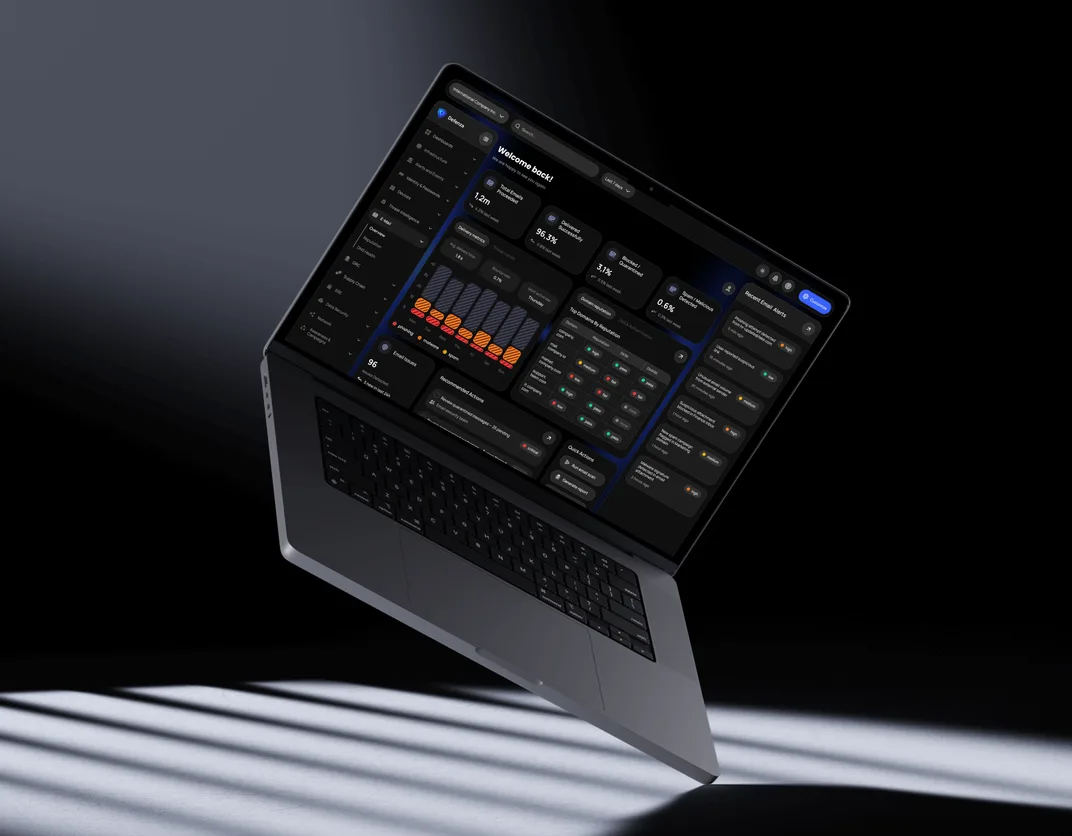
Cybersecurity platform
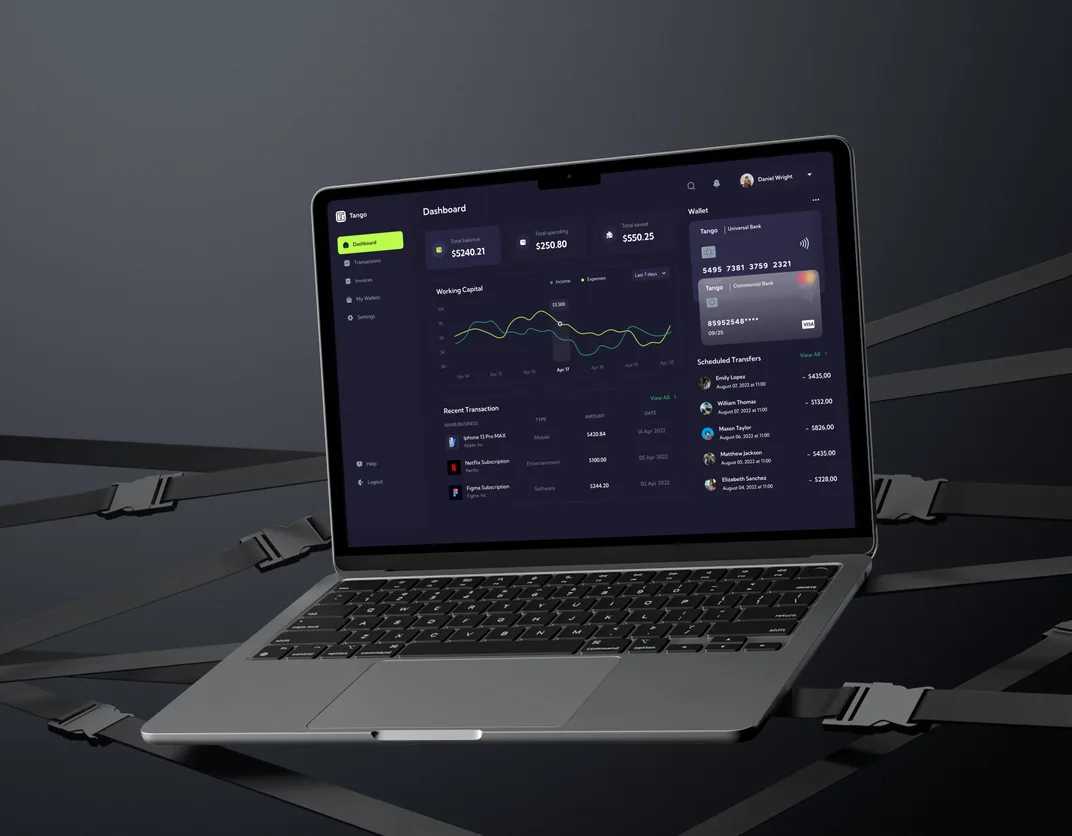
Finance management platform
Web app design built for complex flows , product clarity , and real usage
At DreamX, web app design focuses on structure, hierarchy, and interface behavior, so complex products feel easier to use, easier to grow, and easier to build well.
Our case studies
Explore our portfolio to see the solutions we have crafted for businesses across various industries. Let our work inspire your next big project
How we provide web app
design services
DreamX designs web apps around complex workflows, user roles, dashboards, and product logic that need to stay clear under daily use.
Early product work defines how the web app should behave before interface decisions begin. As a web app design company, DreamX maps user roles, workflow logic, priorities, and edge cases upfront so the structure reflects real usage, not assumptions.
UX design organizes product complexity into flows people can follow without hesitation. Navigation, task paths, and screen relationships are shaped so users always know where they are and what action comes next.
UI design establishes a visual system that keeps dense workflows readable and consistent. Hierarchy, spacing, and components are defined to ensure dashboards, forms, and actions feel clear throughout the entire web app.
A clickable prototype from DreamX gives your team a working view of the product before development begins. It allows early validation of flows, interactions, and decisions, so issues surface while changes are still easy to make.
Our design output is structured so developers can move forward without second-guessing intent. Screens, states, and components are clearly defined, which helps keep implementation aligned with the product logic and interaction flow.
Early product work defines how the web app should behave before interface decisions begin. As a web app design company, DreamX maps user roles, workflow logic, priorities, and edge cases upfront so the structure reflects real usage, not assumptions.
UX design organizes product complexity into flows people can follow without hesitation. Navigation, task paths, and screen relationships are shaped so users always know where they are and what action comes next.
UI design establishes a visual system that keeps dense workflows readable and consistent. Hierarchy, spacing, and components are defined to ensure dashboards, forms, and actions feel clear throughout the entire web app.
A clickable prototype from DreamX gives your team a working view of the product before development begins. It allows early validation of flows, interactions, and decisions, so issues surface while changes are still easy to make.
Our design output is structured so developers can move forward without second-guessing intent. Screens, states, and components are clearly defined, which helps keep implementation aligned with the product logic and interaction flow.
Early product work defines how the web app should behave before interface decisions begin. As a web app design company, DreamX maps user roles, workflow logic, priorities, and edge cases upfront so the structure reflects real usage, not assumptions.
Why choose us for web app design
At DreamX, web app design is shaped around product logic, usability, and scale, so the interface stays clear under real operational pressure and holds up as the product grows.
Product-level thinking
We design web apps around real product logic, so workflows, roles, states and decisions are resolved early before complexity starts creating friction later.
Strong UX for complex flows
Dense workflows, multi-step actions, and feature-heavy products need clear flow control, so users can move faster with less confusion in daily use.
Scalable interface systems
Design decisions are made with growth in mind, so new screens, features, and modules fit the product without breaking structure as it grows.
Consistency across the product
We keep the layout, hierarchy, interaction patterns, and visual language aligned across the app, so the product feels easier to learn and use with confidence.
Close team collaboration
Product, design and development stay aligned through direct communication and feedback, which reduces rework and keeps delivery moving with fewer gap.
Build-ready handoff
The final output is organized for implementation, with cleaner files, clearer states, and handoff guidance that helps developers build with fewer gaps during delivery.
FAQ
How do you design complex web applications with multiple user flows?
Complex web apps need more than clean screens. They need a structure that makes roles, workflows, states, and actions easier to follow in real-world use. Our web app design services focus on product logic first, then turn that logic into navigation, hierarchy, and screen relationships that keep different user journeys connected instead of fragmented or hard to manage.
Do you create design systems for scalable products?
Yes. Design systems are part of how we keep growing products coherent as new screens, features, and workflows are added. We define reusable components, layout rules, interaction patterns, and visual behavior that give the product a stronger foundation. That makes the interface easier to expand without creating inconsistency or extra design debt later.
How do you ensure consistency across different screens and features?
Consistency comes from shared logic, not visual repetition alone. We align layout structure, hierarchy, actions, states, and interaction patterns across the product, so users do not have to relearn the interface every time they enter a new section. That creates a web app that feels more stable, more predictable, and easier to use at scale.
Can you work with product managers or development teams?
Yes. As an expert web app design agency, DreamX works closely with product managers, founders, and development teams throughout the process. That collaboration helps product logic stay clear, design decisions stay grounded, and implementation move forward with fewer avoidable gaps. It also keeps design connected to business priorities instead of drifting into isolated UI work.
How do you handle user roles and permissions in design?
User roles affect navigation, visibility, workflows, approvals, and the level of control people need across the product. We account for those differences early, so each role sees the right information and actions without the interface becoming confusing or overloaded. That matters especially in web apps, where a single platform must serve very different users.
Do you design for future feature expansion?
Yes. Expansion should not feel like patchwork added after launch. We make design decisions with future modules, workflows, and user roles in mind, so the product can grow without losing structure or forcing a redesign too early. That gives your team a stronger base for release now and a clearer path for product development later.
Have a project in mind?
Share a few details about your project. We'll review your requirements and recommend the best development approach.