

Copied to clipboard

Custom Software Development
Custom software development for businesses that need systems built around their workflows, users, and growth plans.
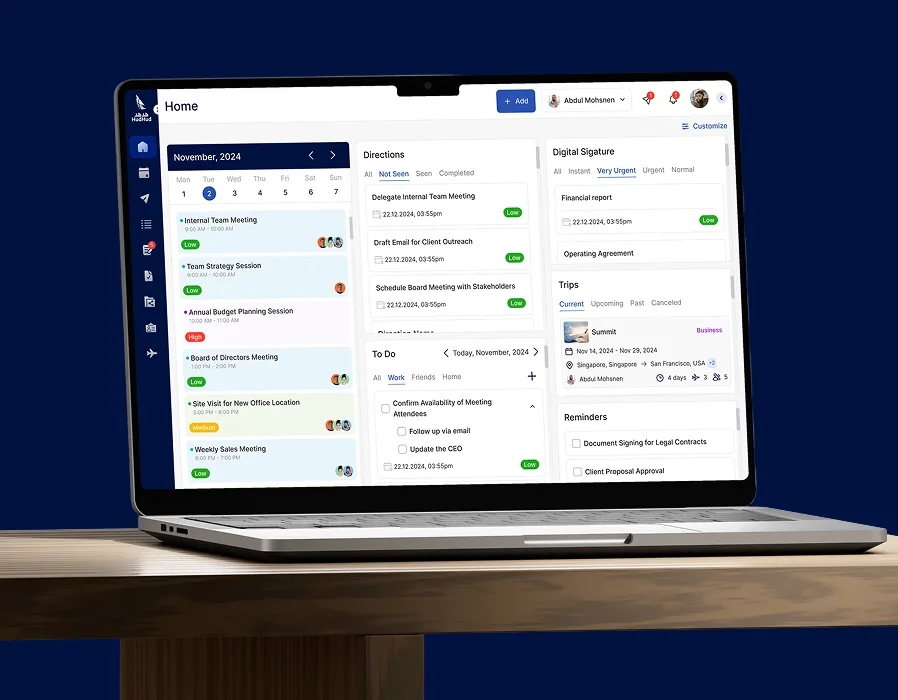
Task management system
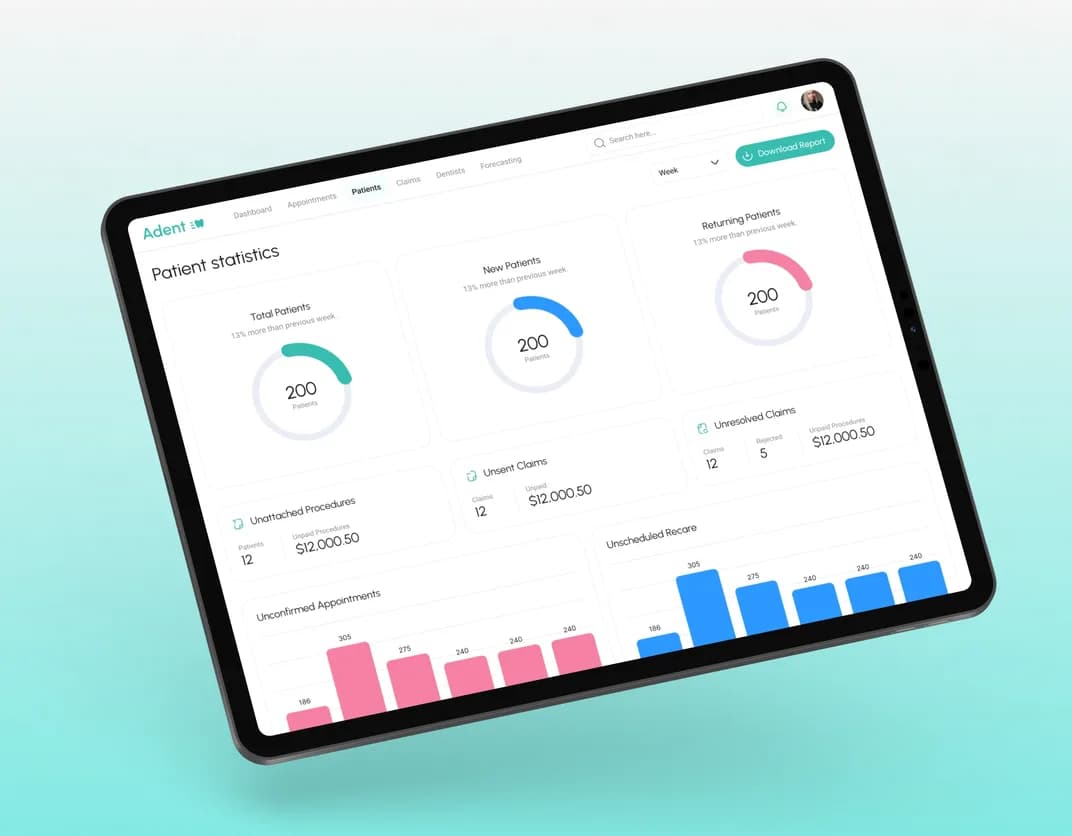
Dental CRM system
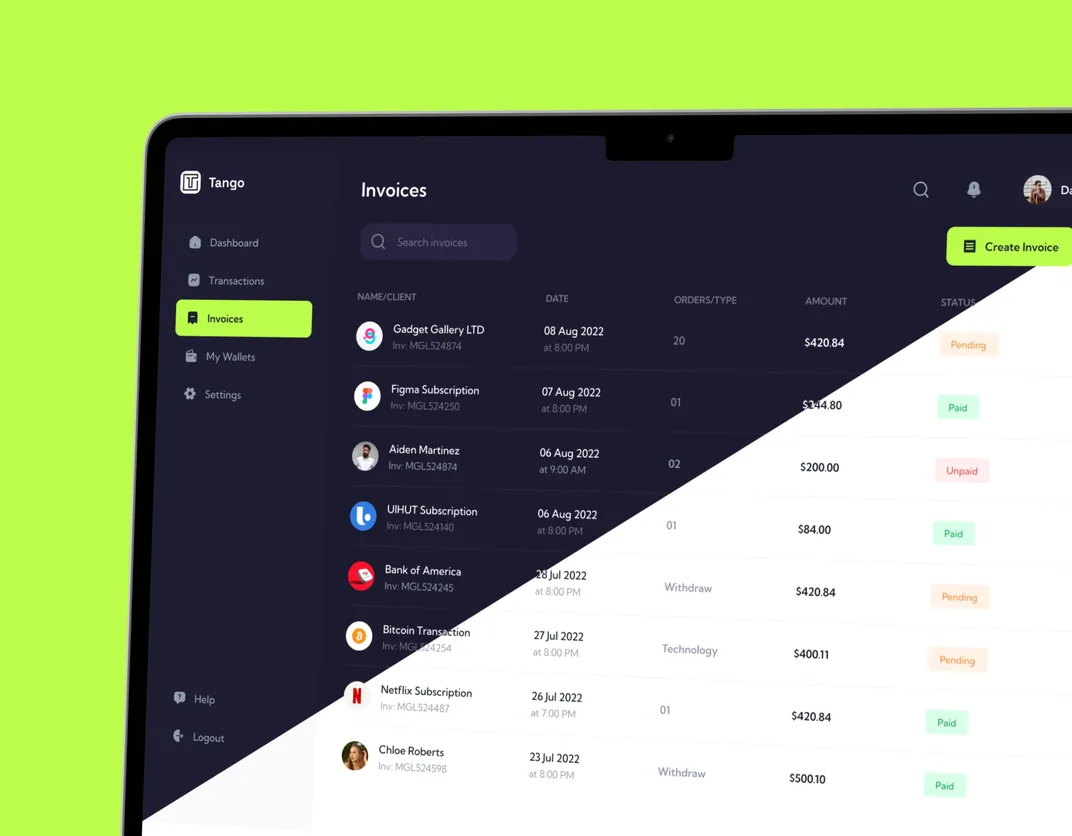
Fintech platform
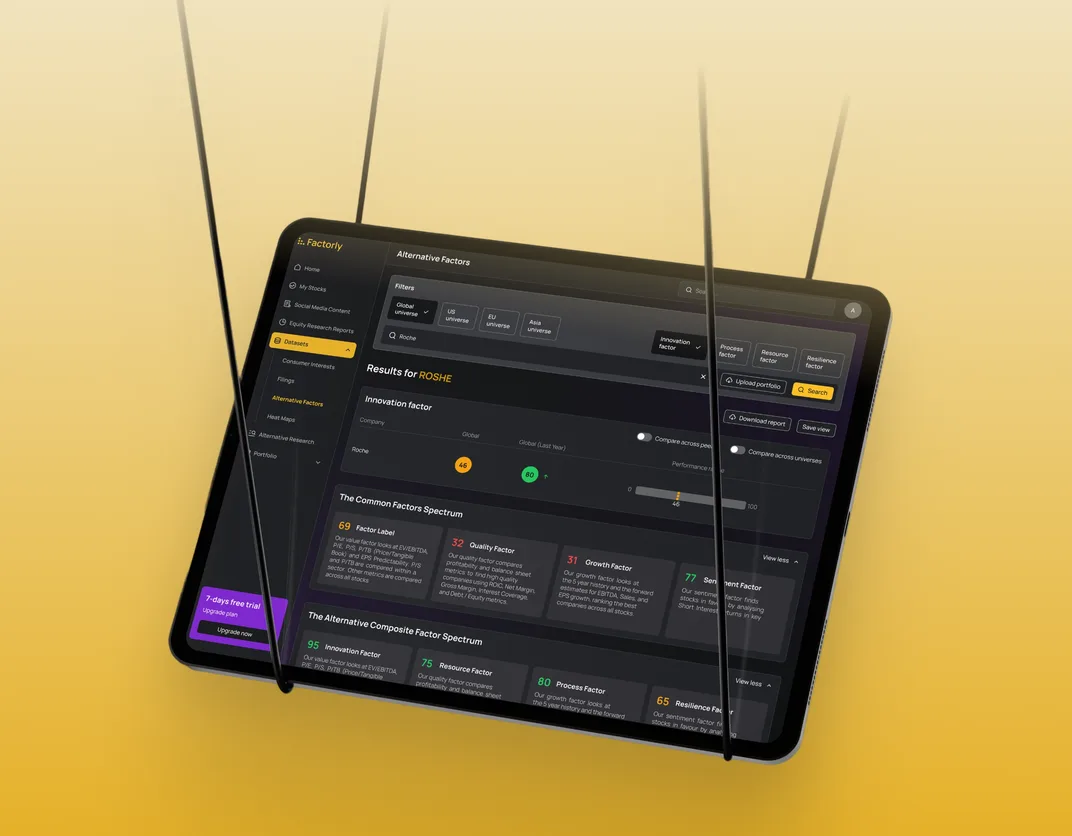
Security platform
Custom software built around business logic , workflows, and long-term scale
At DreamX, custom software development turns your product goals, internal processes, and technical requirements into software that fits how your business works.
Our case studies
Explore our portfolio to see the solutions we have crafted for businesses across various industries. Let our work inspire your next big project
Technologies we use

React

Next.js

Vue.js

Nuxt.js

Angular

TypeScript

JavaScript (ES6+)

HTML5

CSS3 / SCSS

Tailwind CSS

Material UI

Bootstrap

Redux

GraphQL

Node.js

NestJS

Express.js

Python

Django

FastAPI

PHP

Laravel

Java

Spring Boot

.NET

C++

React Native

Swift

Kotlin

Expo

Testflight

AWS

Google Cloud

Microsoft Azure

Docker

Kubernetes

GitHub Actions

GitLab CI/CD

Vercel

Netlify

DigitalOcean

OpenAI

Claude

Gemini

ElevenLabs

Cursor

PostgreSQL

MySQL

MongoDB

Redis

Firebase

Supabase

Elasticsearch
How we provide custom software
development services
We turn business workflows, user roles, data logic, and technical requirements into custom software built for real operational use.
Custom software needs a clear operating model. DreamX defines goals, user roles, workflows, integrations, data needs, risks, and priorities, so the build starts with a clear structure. Our custom software development services are shaped around that early clarity.
Architecture defines how the product will scale, connect, and remain maintainable. As a custom software development company, DreamX plans backend logic, frontend structure, APIs, databases, cloud setup, and integration points before the build moves too far.
Development is organized around the product's real business logic. We build frontend, backend, mobile, APIs, dashboards, admin tools, and integrations in structured phases, keeping each release aligned with the workflows the software needs to serve.
Testing checks how the product behaves under real use, not only in ideal scenarios. We review functionality, data flow, integrations, permissions, performance, and edge cases so defects surface before they affect users or internal teams.
Launch includes release preparation, deployment, monitoring needs, documentation, and handover. After release, DreamX can help refine features, improve performance, strengthen stability, and evolve the product as business requirements grow.
Custom software needs a clear operating model. DreamX defines goals, user roles, workflows, integrations, data needs, risks, and priorities, so the build starts with a clear structure. Our custom software development services are shaped around that early clarity.
Architecture defines how the product will scale, connect, and remain maintainable. As a custom software development company, DreamX plans backend logic, frontend structure, APIs, databases, cloud setup, and integration points before the build moves too far.
Development is organized around the product's real business logic. We build frontend, backend, mobile, APIs, dashboards, admin tools, and integrations in structured phases, keeping each release aligned with the workflows the software needs to serve.
Testing checks how the product behaves under real use, not only in ideal scenarios. We review functionality, data flow, integrations, permissions, performance, and edge cases so defects surface before they affect users or internal teams.
Launch includes release preparation, deployment, monitoring needs, documentation, and handover. After release, DreamX can help refine features, improve performance, strengthen stability, and evolve the product as business requirements grow.
Custom software needs a clear operating model. DreamX defines goals, user roles, workflows, integrations, data needs, risks, and priorities, so the build starts with a clear structure. Our custom software development services are shaped around that early clarity.
Why choose us for custom software
development
At DreamX, custom software is built around real business logic, clean architecture, and delivery decisions that keep the product usable, scalable, and easier to maintain.
Business-fit architecture
We design the product around your workflows, user roles, and operating model, so the software fits the business instead of forcing workarounds.
Full-cycle delivery
DreamX can carry discovery, design, engineering, integrations, testing, launch, and post-launch improvements through one connected team.
Scalable product logic
Features, users, integrations, and data growth are considered early, so the system can expand without creating avoidable technical debt.
Strong integration skills
APIs, internal tools, third-party platforms, databases, and cloud services are planned carefully so the product works as one system.
Quality-focused engineering
Code structure, reviews, testing, and maintainability are treated as part of delivery, not cleanup work after the product is built.
Clear collaboration
You get visible progress, direct communication, and practical delivery decisions, so your team always knows what is moving and why.
FAQ
How do you build software tailored to specific business needs?
We start with how your business actually runs: the workflows, user roles, data, approvals, and constraints that shape daily operations. From there, DreamX turns those requirements into architecture, product logic, integrations, and interfaces that fit your team instead of forcing your team into generic software.
What makes custom software a better choice than off-the-shelf solutions?
Off-the-shelf tools can work when the process is simple and standard. Custom software makes more sense when workflows, integrations, roles, or business rules are specific to your company. As a custom software development agency, DreamX builds around those requirements, giving you more control over functionality, scale, data flow, and long-term product direction.
How do you handle changing requirements during development?
Changing requirements are managed through clear scope, phased delivery, and practical review points. We offer a custom software development service, so if anything changes, we assess the impact on the timeline, budget, architecture, and priorities before moving forward. That keeps decisions transparent and helps the product evolve without letting scope drift quietly or disrupt the entire build.
Can you support and evolve the product after launch?
Yes. Post-launch support can include bug fixes, monitoring, performance improvements, new features, integration updates, UX refinements, and technical maintenance. As the product meets real users and business demands, DreamX can help your team improve stability, respond to feedback, and extend the software without losing the structure built during the first release.
What technologies do you typically use?
Our stack depends on the product, but we often use React, Next.js, TypeScript, Tailwind CSS, Node.js, NestJS, Express.js, React Native, PostgreSQL, MongoDB, MySQL, Firebase, Docker, AWS, CI/CD pipelines, OpenAI, LangChain, Python, and TensorFlow. As a custom software development firm, we choose tools based on performance, maintainability, scale, and fit.
How do you ensure the solution fits our workflows?
We map workflows before development begins, then turn them into product logic, user roles, permissions, screens, data flow, and integrations. Your team reviews those decisions through discovery, prototypes, and delivery checkpoints. That keeps the software connected to daily operations, so the final product feels practical instead of disconnected from how people actually work.
Have a project in mind?
Share a few details about your project. We'll review your requirements and recommend the best development approach.