

Copied to clipboard

IndustriesIndustries
Logistics
Custom Logistics Software Development
DreamX builds logistics platforms that keep operations clear, connected, and ready to scale.
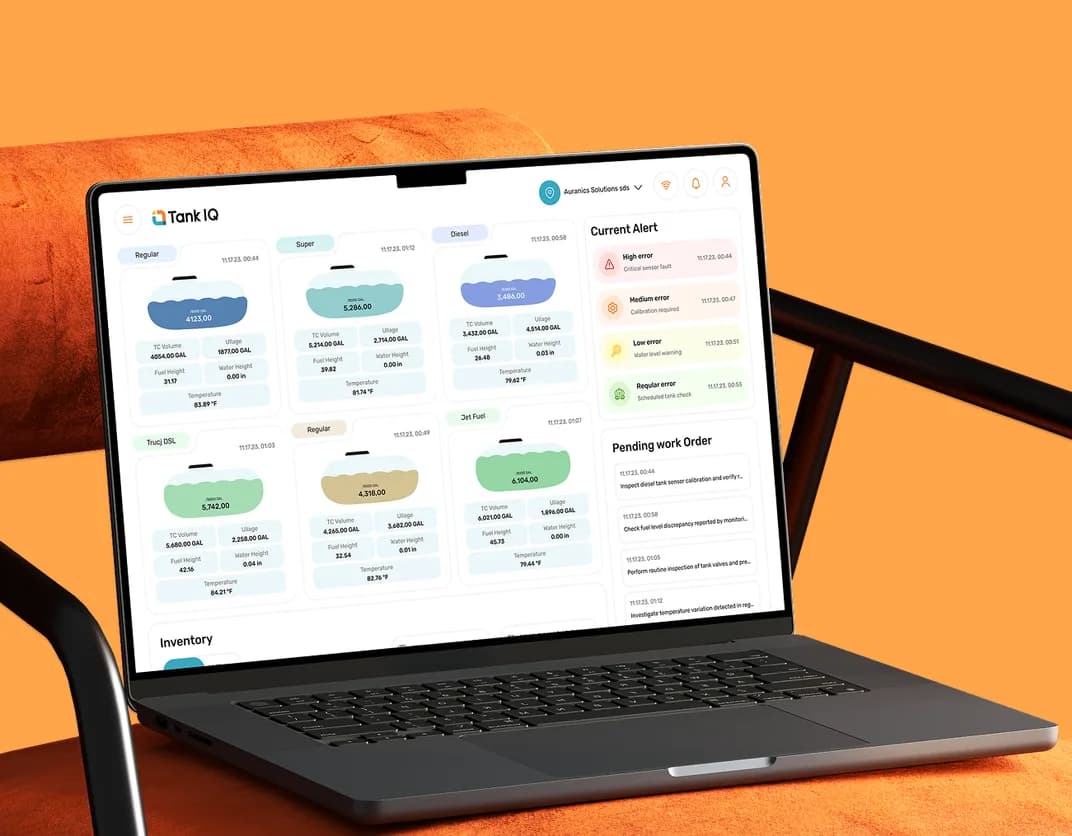
Fuel management platform

Food delivery app
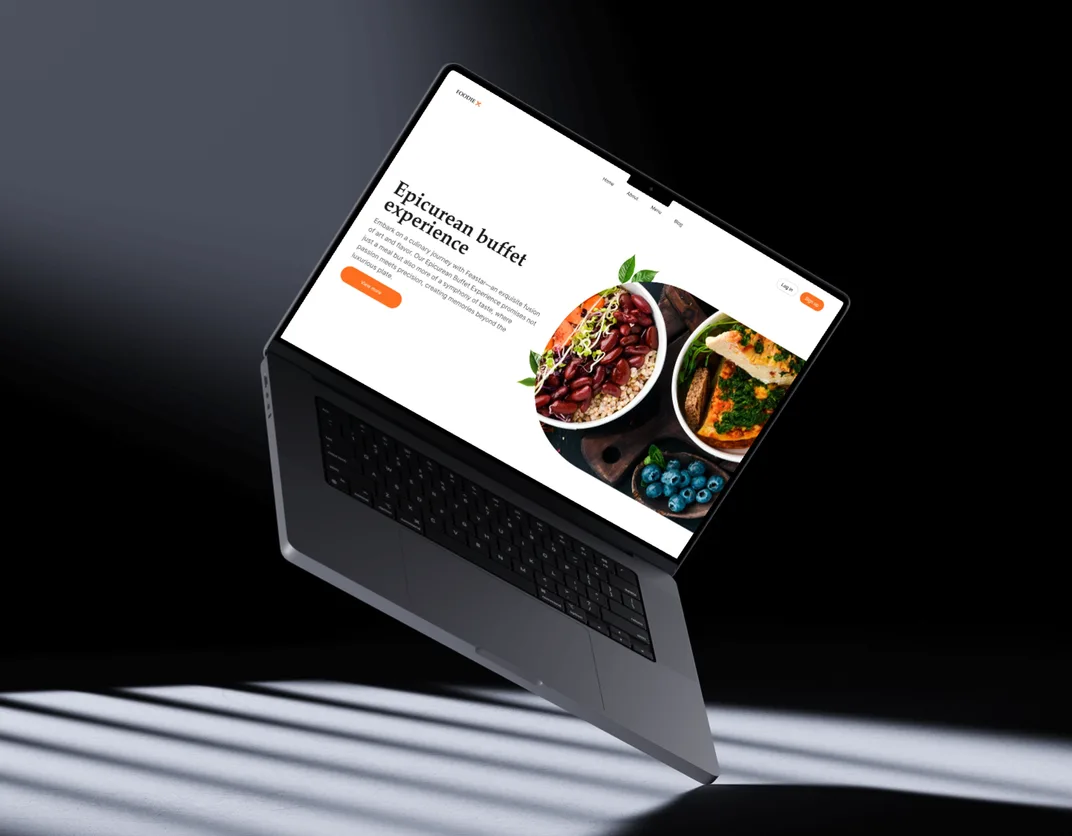
Food delivery platform
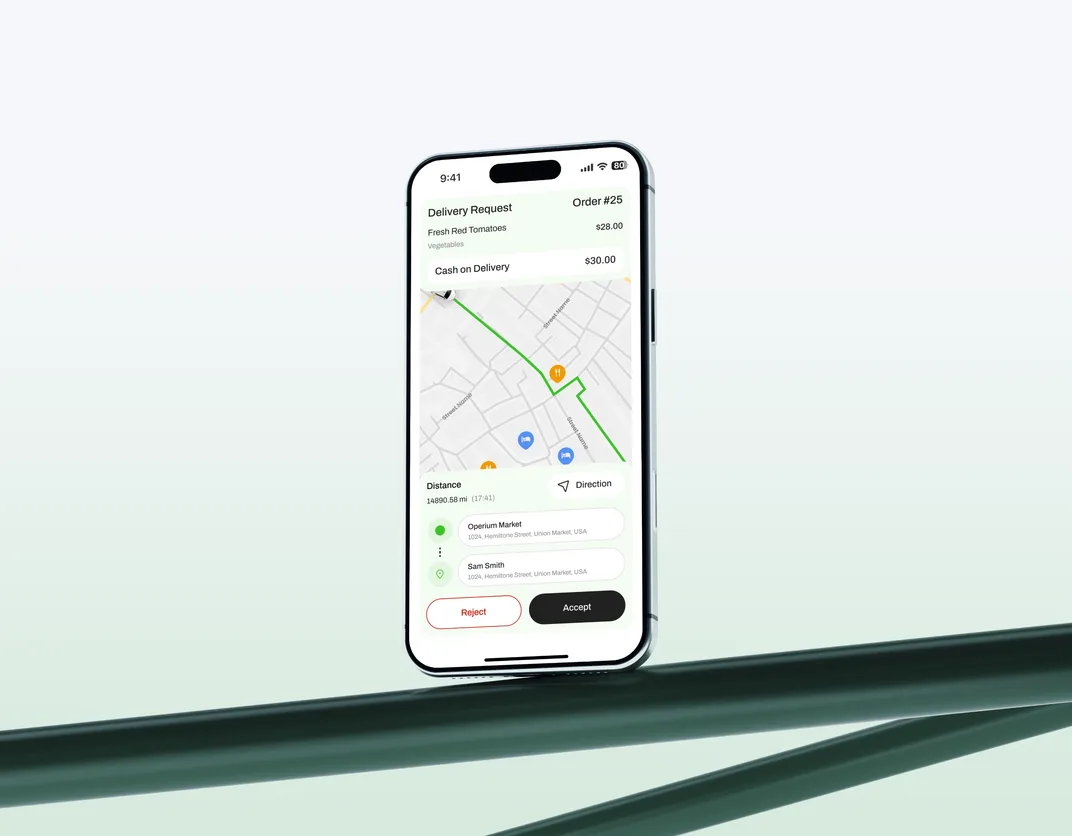
Delivery driver app
Who we build for
Transportation Management Systems (TMS)
Routing, dispatch, tracking, and internal workflows all need to stay aligned under pressure. We build products that give teams better visibility, control, and day-to-day efficiency.
Supply Chain & Warehouse Management Systems
For warehouse-heavy operations, our custom logistics software development helps connect inventory, handoffs, fulfillment logic, and reporting without slowing the floor down.
Inventory & Order Management Solutions
For logistics teams managing stock and fulfillment, DreamX develops inventory and order solutions that improve visibility, control, and reporting across daily operations.
Port & Terminal Management Systems
At DreamX, port and terminal systems are built for operators who need cargo handling, yard activity, scheduling, and gate workflows working in sync.



How we deliver
logistics products
We manage all stages of product creation for quality results.
Every logistics product has to reflect how operations actually move. In the discovery phase, the DreamX team analyzes and maps shipment flows, user roles, and system constraints, ensuring development starts with real operational logic.
This is where workflows become a system that teams can rely on. We define dashboard logic, permissions, tracking states, data movement, and integrations so the experience stays clear while supporting operational complexity.
Once the structure is in place, we design screens and prototypes for dispatch, shipment visibility, and exceptions so teams can move through time-sensitive work with less friction and fewer mistakes.
Now the platform moves into build. As an experienced logistics software development company, we develop the product and connect TMS, WMS, and carrier APIs, and keep delivery aligned with real operational needs for stable integrations, clean data flow, and fewer late-stage issues.
Before launch, we test the platform where logistics teams feel pressure most: live tracking, dispatch actions, status updates, warehouse handoffs, integrations, and edge cases. We address any weak points, validate data flow, and release a product that performs better under daily operational load.
Every logistics product has to reflect how operations actually move. In the discovery phase, the DreamX team analyzes and maps shipment flows, user roles, and system constraints, ensuring development starts with real operational logic.
This is where workflows become a system that teams can rely on. We define dashboard logic, permissions, tracking states, data movement, and integrations so the experience stays clear while supporting operational complexity.
Once the structure is in place, we design screens and prototypes for dispatch, shipment visibility, and exceptions so teams can move through time-sensitive work with less friction and fewer mistakes.
Now the platform moves into build. As an experienced logistics software development company, we develop the product and connect TMS, WMS, and carrier APIs, and keep delivery aligned with real operational needs for stable integrations, clean data flow, and fewer late-stage issues.
Before launch, we test the platform where logistics teams feel pressure most: live tracking, dispatch actions, status updates, warehouse handoffs, integrations, and edge cases. We address any weak points, validate data flow, and release a product that performs better under daily operational load.
Every logistics product has to reflect how operations actually move. In the discovery phase, the DreamX team analyzes and maps shipment flows, user roles, and system constraints, ensuring development starts with real operational logic.
Our case studies
Explore our portfolio to see the solutions we have crafted for businesses across various industries. Let our work inspire your next big project
Why logistics teams choose us
We bring product, UX, and engineering expertise shaped around real logistics operations.
Deep logistics expertise
We understand logistics, including transport, warehousing, delivery, and supply chain workflows.
Security & compliance
Secure data flows, controlled access, and reliable system logic built into every layer of the product.
Business-driven results
We design and build products that improve efficiency, adoption, and long-term operational scalability.
Full-stack product delivery
From product strategy and UX to development, integrations and launch, DreamX handles the full cycle.
Transparent collaboration
You gain steady progress, clear communication, full ownership, and a visible delivery team.
Flexible payments
Milestone-based billing gives you a clearer way to plan spend, and move forward with less upfront pressure.
FAQ
What is the typical cost of developing a custom logistics platform?
The cost of custom software development for logistics depends on scope, integrations, user roles, shipment logic, reporting needs, and the complexity of the workflows involved. A focused internal tool will cost far less than a multi-region platform with live tracking, partner coordination, and operational dashboards. At DreamX, we scope the product first, then estimate in phases.
How long does it take to build a full logistics management system?
The timeline depends on what the system needs to handle from day one. A focused platform can move faster, while a larger product with live tracking, multiple user roles, vendor logic, and deep integrations will take longer. DreamX usually recommends phased delivery, so core operations can go live earlier while the platform continues to improve.
How do you ensure system reliability for real-time logistics data?
Real-time logistics products need more than a good-looking interface. We plan for reliability through sound architecture, stable data flows, resilient integrations, performance testing, and monitoring built to withstand actual operational pressure. That helps ensure tracking, dispatch, and status updates remain reliable when usage climbs or conditions change.
Can logistics software work across multiple countries and regions?
Yes. We can build logistics platforms that support multiple countries, regions, languages, time zones, and operational rules. That may include local delivery logic, regional reporting, partner-specific workflows, and systems built to handle cross-border coordination without turning the product into a patchwork of exceptions.
Can an existing logistics system be upgraded without stopping operations?
Yes. A full rebuild is not always the right move. Our logistics software development services often start with an audit of the current platform, then a phased plan to improve the highest-impact areas first. That lets DreamX modernize workflows, UX, and integrations while keeping the business running.
Can logistics software support both B2B and B2C delivery models?
Yes. DreamX logistic software development services can support both B2B and B2C delivery models within one well-structured platform. That may include separate workflows, pricing rules, user roles, order logic, delivery expectations, and communication flows for each model. The goal is to keep the system flexible on the backend and clear for every team and customer using it.
Can your solution support multiple delivery partners and logistics vendors?
Yes. Carrier networks, local fleets, 3PLs, and regional vendors can all be supported within a single product if the platform is planned correctly. It is the capability clients should expect from a professional logistics software development company, and it is a standard part of the multi-partner systems DreamX designs.
Have a project in mind?
Share a few details about your project. We'll review your requirements and recommend the best development approach.