

Copied to clipboard

IndustriesIndustries
GovTech
Custom GovTech Software Development
DreamX builds GovTech platforms that make public services, data, and operations easier to run.
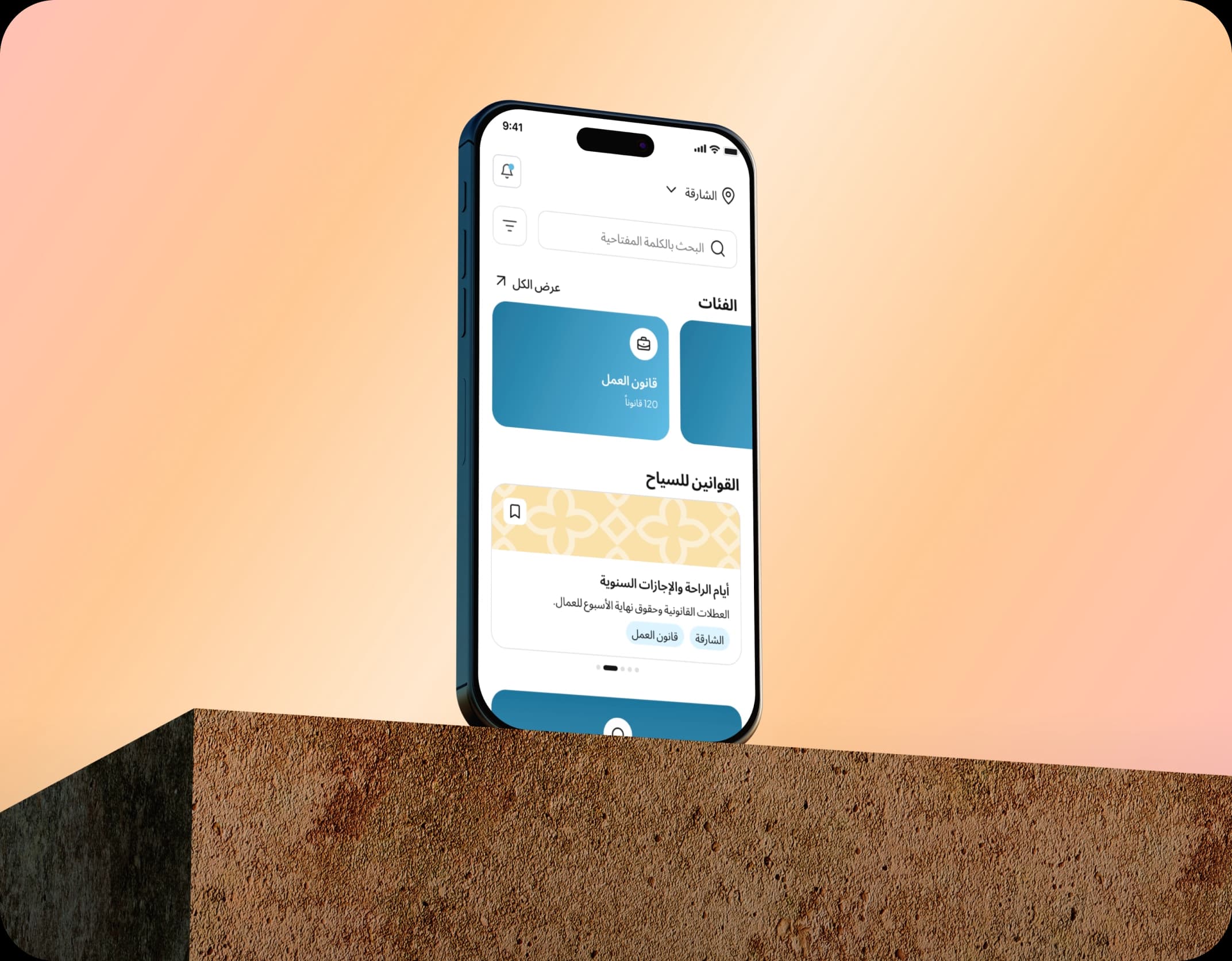
Government app
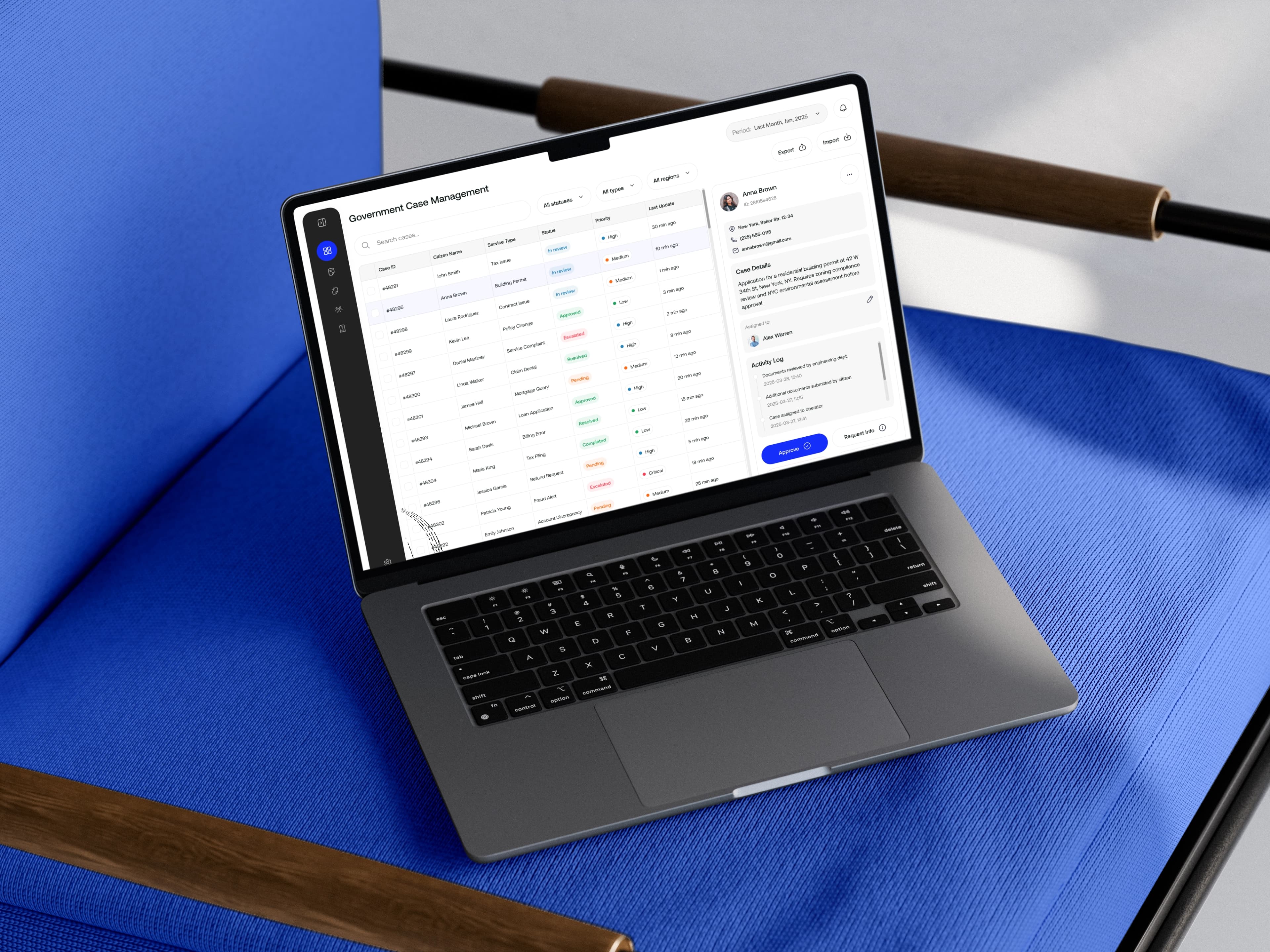
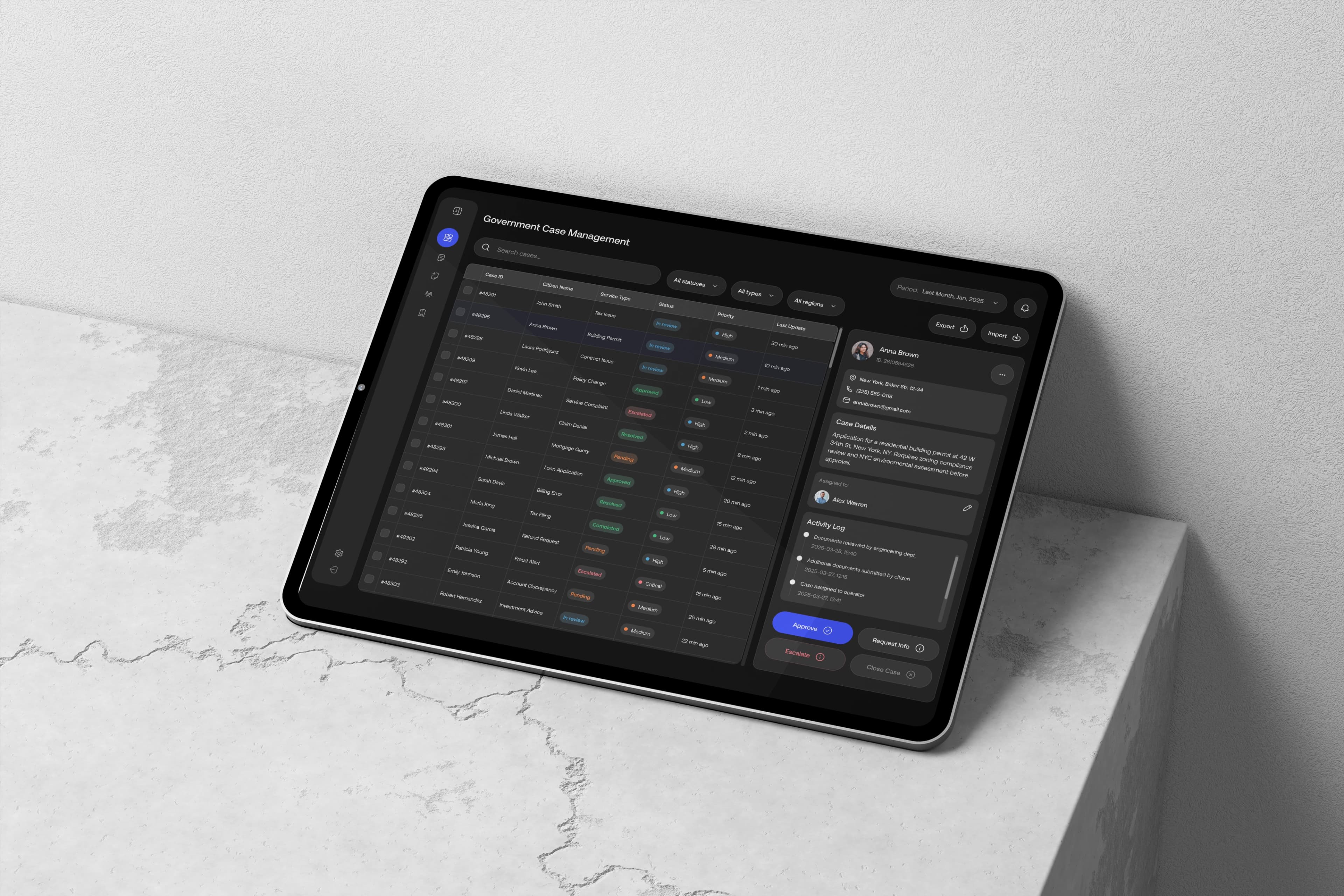
Government case management system
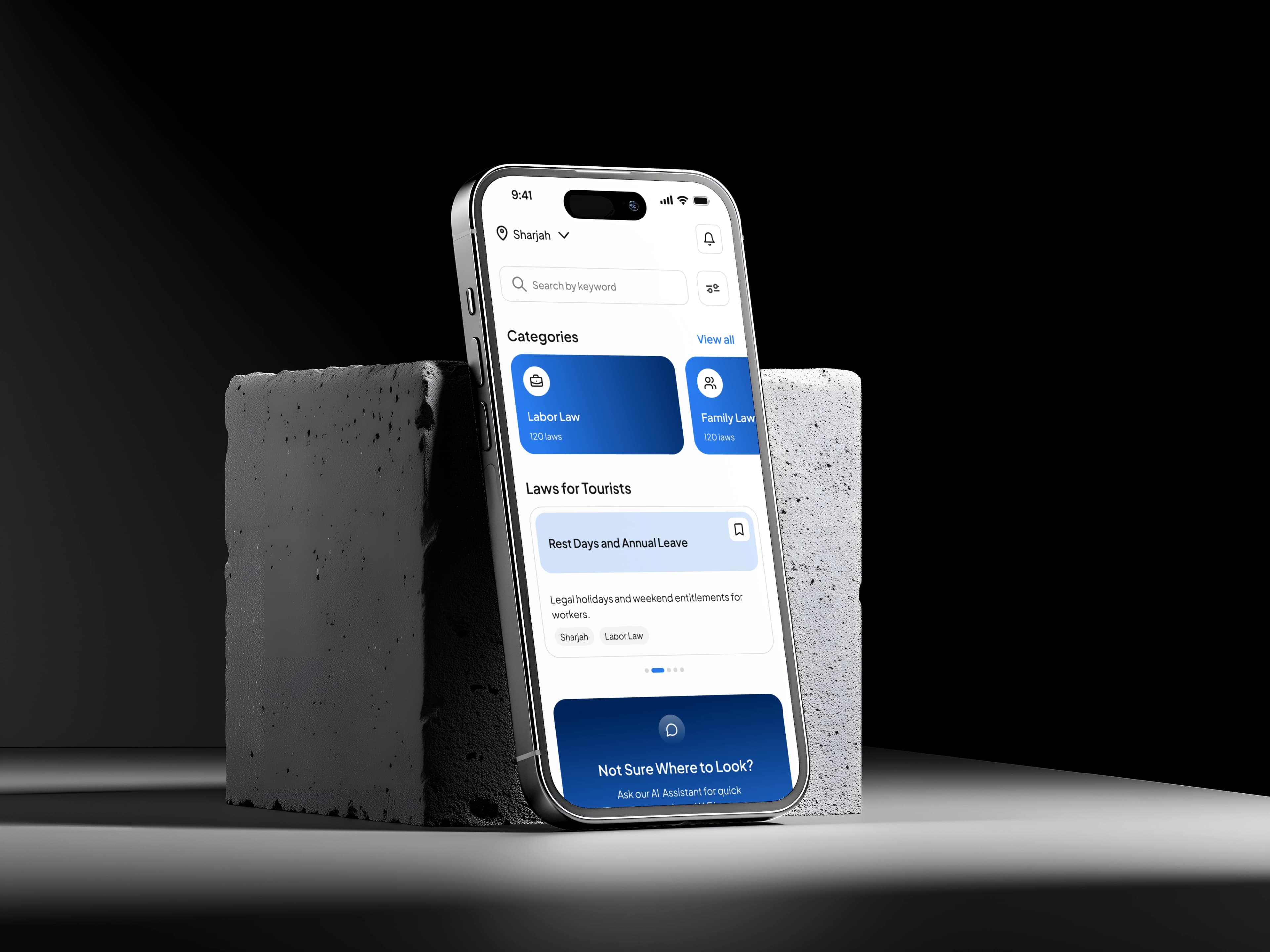
Government app
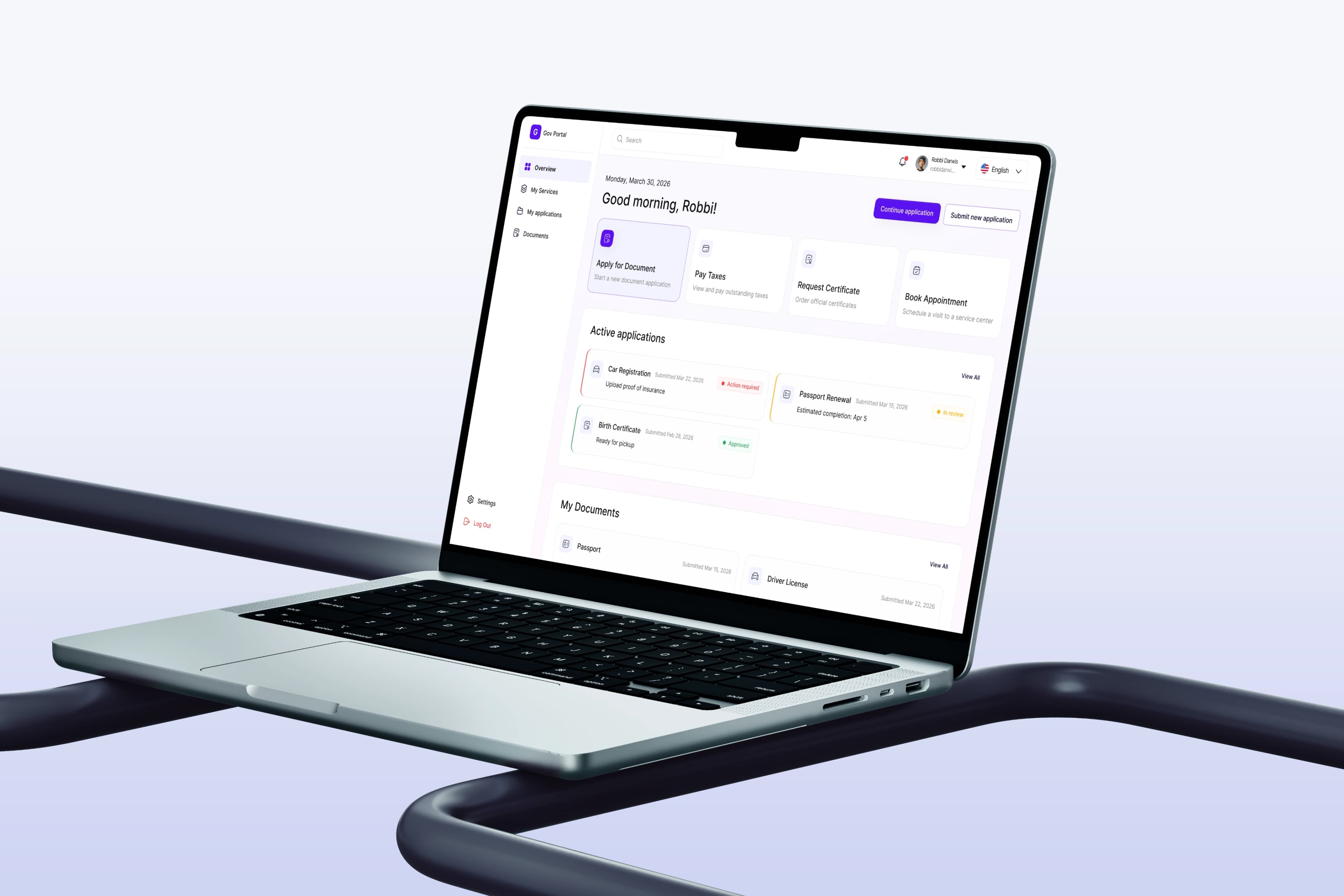
Citizen government portal
Who we build for
Digital Government Service Platforms
Government service platforms have to reduce friction for residents and staff workload. DreamX designs digital services that make applications, requests, and follow-ups easier to complete.
Citizen Portals & Public Service Apps
Citizen-facing products need clarity at every step. We create portals and apps that make forms, updates, payments, and service access easier to navigate and trust.
Government CRM & Case Management Systems
Cases slow down when records, actions, and communication are in different systems. At DreamX, we build products that keep workflows, visibility, and accountability aligned.
Open Data & Transparency Platforms
Open data only creates value when people can find, read, and use it. DreamX designs transparency platforms that turn public information into clearer access and insight.
Public Procurement & Tender Platforms
Tender platforms need structure, traceability, and control. Our government contractor website development shapes tender platforms to keep those stages clear and easy to manage.
Government Analytics & Decision Support Tools
Public-sector analytics should sharpen decisions, not bury teams in dashboards. We create tools that turn service, policy, and operational data into clearer action.
Education & Social Service Management Systems
Education and social-service products bundle records, eligibility, approvals, and casework. At DreamX, we turn that complexity into systems that teams can run with more control.
Inter-agency Integration Platforms
When agencies rely on disconnected systems, delivery slows down. We design integration platforms that keep records, workflows, and data exchange aligned across teams.
How we deliver
govtech products
We manage all stages of product creation for quality results.
Public-sector products work best when service rules, user needs, and operational constraints are clear before design begins. DreamX maps resident journeys, staff workflows, approvals, reporting, dependencies, and risks so the platform starts from a workable service model instead of a feature list.
A GovTech product may serve residents, administrators, reviewers, field teams, and leadership at once. We organize permissions, navigation, dashboards, forms, data flows, and system rules so the experience remains readable while the platform can support more complex institutional processes.
Government software has to communicate clearly under pressure. We prototype service flows, forms, dashboards, case states, notifications, and account actions so users can see what is happening, what is required next, and how to move forward without getting trapped in dense, policy-heavy interfaces.
After the structure is approved, DreamX moves into build. As a professional government website development agency, we develop the platform, connect legacy systems, identity services, records, payments, mapping tools, workflows, and coordinate delivery around public-sector operations and control.
Release prep centers on the moments that create risk: forms, submissions, permissions, calculations, notifications, integrations, accessibility, and edge cases. We use this stage to tighten weak points, validate behavior, and launch with more confidence in security, reliability, and daily use.
Public-sector products work best when service rules, user needs, and operational constraints are clear before design begins. DreamX maps resident journeys, staff workflows, approvals, reporting, dependencies, and risks so the platform starts from a workable service model instead of a feature list.
A GovTech product may serve residents, administrators, reviewers, field teams, and leadership at once. We organize permissions, navigation, dashboards, forms, data flows, and system rules so the experience remains readable while the platform can support more complex institutional processes.
Government software has to communicate clearly under pressure. We prototype service flows, forms, dashboards, case states, notifications, and account actions so users can see what is happening, what is required next, and how to move forward without getting trapped in dense, policy-heavy interfaces.
After the structure is approved, DreamX moves into build. As a professional government website development agency, we develop the platform, connect legacy systems, identity services, records, payments, mapping tools, workflows, and coordinate delivery around public-sector operations and control.
Release prep centers on the moments that create risk: forms, submissions, permissions, calculations, notifications, integrations, accessibility, and edge cases. We use this stage to tighten weak points, validate behavior, and launch with more confidence in security, reliability, and daily use.
Public-sector products work best when service rules, user needs, and operational constraints are clear before design begins. DreamX maps resident journeys, staff workflows, approvals, reporting, dependencies, and risks so the platform starts from a workable service model instead of a feature list.
Our case studies
Explore our portfolio to see the solutions we have crafted for businesses across various industries. Let our work inspire your next big project
Why govtech teams choose us
We build products that help public institutions deliver services with more clarity, control, and resilience.
Deep govtech expertise
We understand the pressure behind service delivery, approvals, records, reporting, and systems that must work for both the public and the teams behind them.
Security & compliance
Access control, data handling, auditability, and connected systems are considered early, not treated as cleanup work close to release.
Business-driven results
Our work supports clearer administration, stronger service access, better visibility, and product decisions that continue to hold up as needs evolve.
Full-stack product delivery
DreamX carries strategy, UX, engineering, integrations, testing, and launch through one accountable team from the outset.
Transparent collaboration
You stay close to the work through direct communication, visible progress, and decisions that remain easy to follow.
Flexible payments
Payments follow delivery milestones, which makes spending and budgeting easier to forecast and approvals easier to manage.
FAQ
What types of digital solutions do you build for government and public sector organizations?
We build resident service portals, case-management tools, regulatory platforms, reporting systems, planning dashboards, application workflows, internal admin products, and public-facing sites. The right scope depends on the services you deliver, the users involved, and the systems the product needs to work with.
How do you estimate the cost of a public sector project?
We estimate costs by considering scope, user roles, integrations, security needs, procurement constraints, and the amount of custom logic involved. A focused service portal or workflow product costs far less than a multi-role platform with forms, case handling, dashboards, and legacy-system integration.
What factors influence timelines in government software development?
The scope, approval cycles, procurement steps, accessibility requirements, integrations, and the amount of legacy logic to account for influence the timeline. Products tied to existing systems, public review, or institutional governance usually take longer than a narrower internal tool.
What does your delivery process look like when working with public institutions?
We start by clarifying users, service rules, approvals, integrations, risks, and success criteria. From there, we shape the UX, architecture, prototypes, build, integrations, testing, and launch plan. Public-sector delivery works best when decisions remain visible, scope is controlled, and dependencies are addressed early.
How do you ensure security, data protection, and system integrity?
We treat security and data protection as product requirements from the start. That includes architecture, access control, permissions, secure integrations, auditability, data-handling rules, and testing for edge cases. The goal is a system people can trust in daily use, not a last-minute compliance patch.
Can your solutions integrate with existing government systems and infrastructure?
Yes. We can connect government products with identity services, records systems, payment tools, GIS and mapping platforms, document workflows, notifications, reporting services, and internal databases. Integration planning starts early because public-sector products are only useful when they fit the systems teams already rely on.
What regulatory and compliance requirements need to be considered?
Requirements vary by jurisdiction and by the kind of service being delivered. Teams often need to account for privacy, accessibility, record retention, audit trails, procurement rules, security standards, and public-sector policy requirements. We build with those constraints in mind from the beginning.
Do you have experience working within public sector standards and procurement processes?
Yes. DreamX understands the review cycles, documentation demands, and operational constraints that come with public-sector delivery. For teams evaluating government contractor website development, that experience matters because procurement expectations, traceability, and stakeholder alignment affect the product long before launch.
Can you modernize or replace legacy government systems?
Yes. A full rebuild is not always the right move. We can review the current platform, identify what still works, isolate what needs refactoring, and improve the areas causing the most friction. That lets you modernize in stages while keeping services live and reducing unnecessary disruption.
How do you ensure long-term reliability and maintainability?
Long-term reliability starts with sound architecture, clear ownership, maintainable code, stable integrations, and realistic operating rules. As an experienced government website development agency, DreamX plans for support, change control, and future updates to ensure the platform remains dependable after launch.
Have a project in mind?
Share a few details about your project. We'll review your requirements and recommend the best development approach.