Copied to clipboard

Who we build for
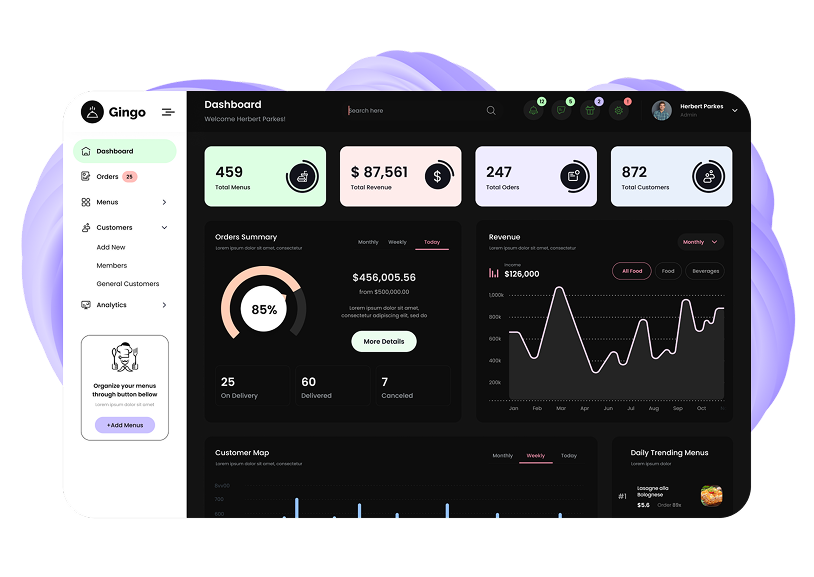
Productivity & Collaboration Tools
Productivity tools succeed when teams can communicate, assign, and move work without friction. We shape products that keep collaboration visible and workflows easier to manage.
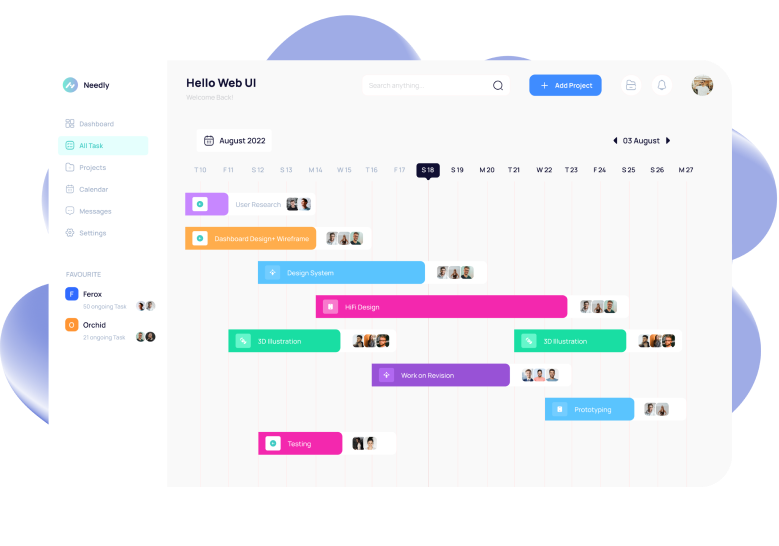
Project Management Platforms
Project platforms need planning, ownership, and progress to stay connected. Our work brings task flow, reporting, and team accountability into one product logic.
CRM & Customer Success Systems
Customer data only helps when sales, service, and retention teams can act on it quickly. We design CRM systems around clearer visibility, workflow control, and follow-through.
HR & Workforce Management Systems
People operations get messy when approvals, scheduling, and records sit in separate tools. We build workforce systems that keep those workflows connected and easier to run.
Customer Support & Helpdesk Platforms
Support platforms need routing, history, and team context to stay clear under volume. We develop helpdesk products that make ticket flow faster to manage and easier to trust.
How we deliver
SaaS products
We manage all stages of product creation for quality results.
Before design starts, DreamX works through the product decisions that shape how a SaaS platform should grow. We define user roles, onboarding, activation points, pricing logic, feature scope, admin needs, and technical risks so the product starts from a clear model instead of a loose feature list.
This stage turns product structure into working logic. We define account architecture, permissions, navigation, billing flow, feature access, data movement and admin rules so the platform is clear to users while remaining flexible enough for new plans, broader workflows and long-term growth.
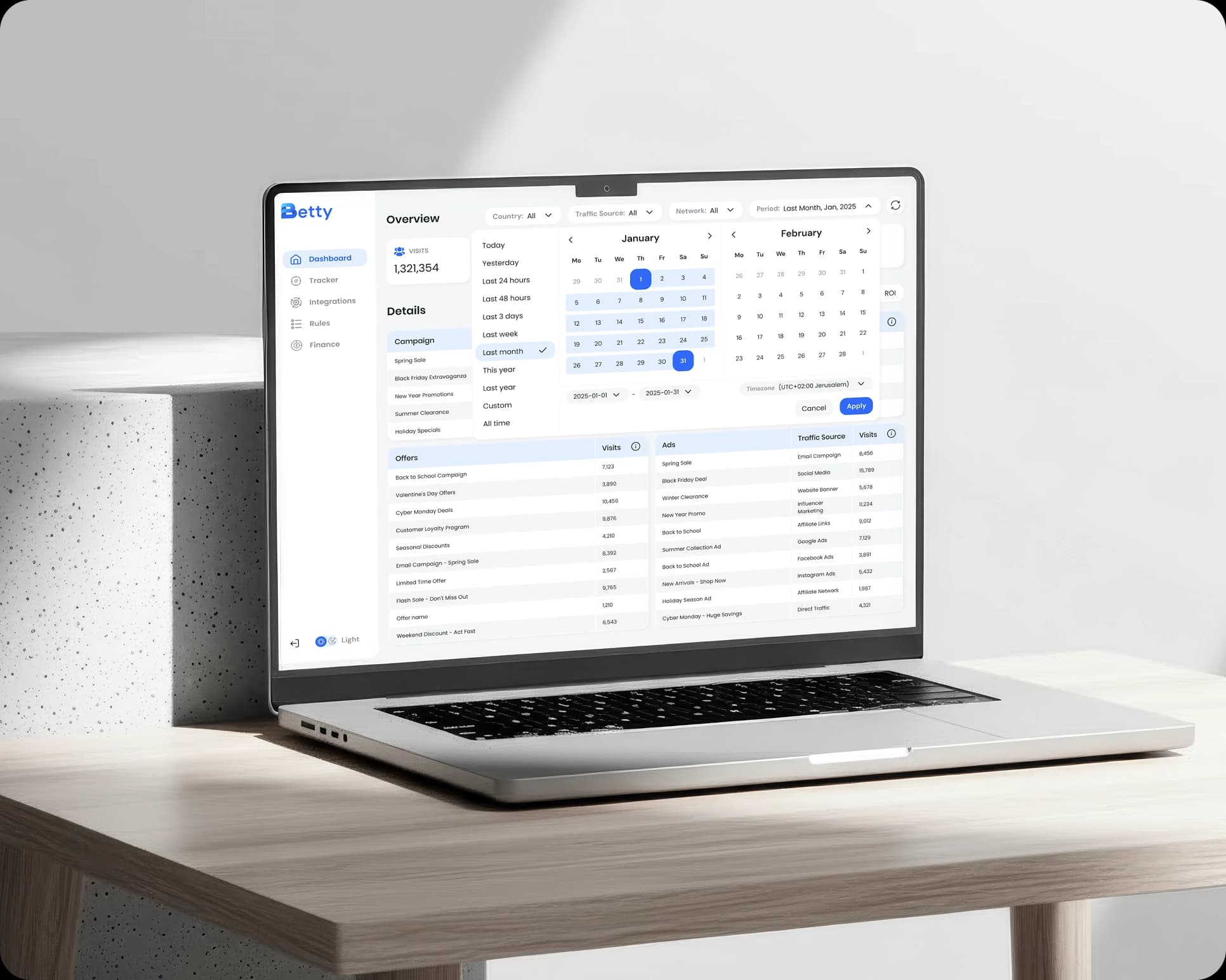
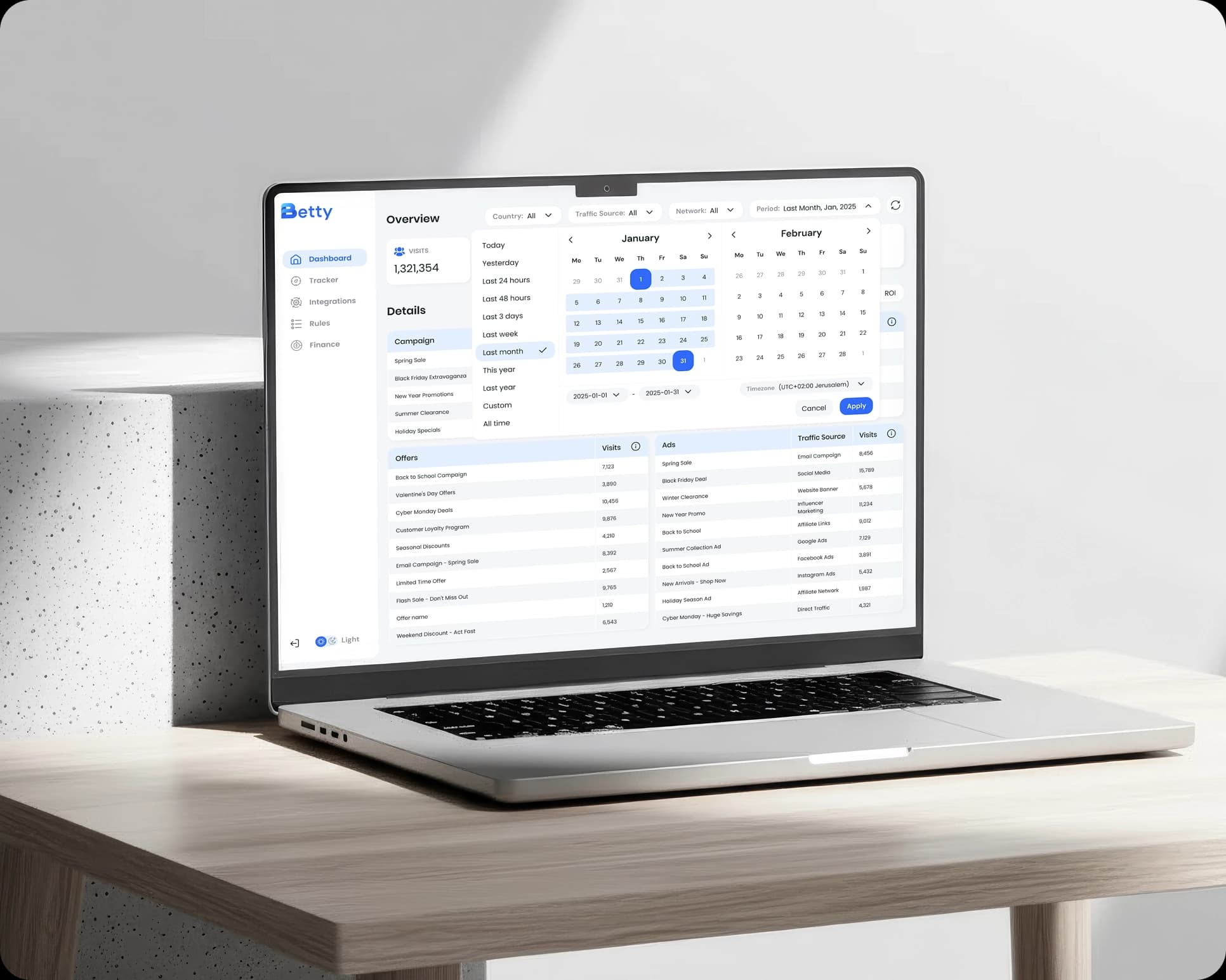
Once the product logic is set, the interface has to make that logic feel easy to use. We design key screens, states, and prototypes for sign-up, onboarding, dashboards, plan management, feature access, and admin actions so users can move through the platform with less friction and more confidence.
With the product direction approved, DreamX starts a development phase. Our SaaS software development services cover full platform builds, including application logic, integrations, billing systems, analytics and internal tools, so the product launches stable, connected, and easier to run.
Before launch, we test the areas that carry the most pressure in daily use: onboarding, permissions, billing, integrations, account actions, performance and edge cases. That gives us room to fix any weak points, validate the system and launch a SaaS product that is reliable from the start.
Before design starts, DreamX works through the product decisions that shape how a SaaS platform should grow. We define user roles, onboarding, activation points, pricing logic, feature scope, admin needs, and technical risks so the product starts from a clear model instead of a loose feature list.
This stage turns product structure into working logic. We define account architecture, permissions, navigation, billing flow, feature access, data movement and admin rules so the platform is clear to users while remaining flexible enough for new plans, broader workflows and long-term growth.
Once the product logic is set, the interface has to make that logic feel easy to use. We design key screens, states, and prototypes for sign-up, onboarding, dashboards, plan management, feature access, and admin actions so users can move through the platform with less friction and more confidence.
With the product direction approved, DreamX starts a development phase. Our SaaS software development services cover full platform builds, including application logic, integrations, billing systems, analytics and internal tools, so the product launches stable, connected, and easier to run.
Before launch, we test the areas that carry the most pressure in daily use: onboarding, permissions, billing, integrations, account actions, performance and edge cases. That gives us room to fix any weak points, validate the system and launch a SaaS product that is reliable from the start.
Before design starts, DreamX works through the product decisions that shape how a SaaS platform should grow. We define user roles, onboarding, activation points, pricing logic, feature scope, admin needs, and technical risks so the product starts from a clear model instead of a loose feature list.
Our case studies
Explore our portfolio to see the solutions we have crafted for businesses across various industries. Let our work inspire your next big project
Why SaaS teams choose us
We build SaaS products around activation, retention, and the product decisions behind steady growth.
Deep saas expertise
DreamX works across B2B SaaS, PLG products, subscription platforms, and admin-heavy systems, so our product decisions stay grounded in real use.
Security & compliance
Permissions, access control, billing data, and system reliability are planned into the product from the start, not patched in later.
Business-driven results
Our work is shaped around activation, retention, expansion, and operational clarity so the product supports the business as it grows.
Full-stack product delivery
From discovery and UX to engineering, integrations, testing, and launch, DreamX carries the product through as one accountable team.
Transparent collaboration
We work in the open, with steady updates, shared progress, and clear next steps throughout delivery.
Flexible payments
Milestone-based billing keeps planning clearer and ties investment to visible delivery progress.
FAQ
How much does it cost to develop a custom SaaS application?
The cost of SaaS development services depends on scope, user roles, integrations, billing logic, admin needs, and the amount of custom functionality involved. A focused MVP will cost far less than a multi-role platform with analytics, permissions, and subscription workflows. We scope the product first, then build a phased estimate around priorities, complexity, and risk.
What is included in your SaaS development service?
Our SaaS software development services can include product discovery, UX strategy, architecture, UI design, development, integrations, testing, and launch planning. Some clients need end-to-end delivery, while others bring us in for a focused product, design, or engineering phase. The exact scope depends on where the product stands today.
Do you build MVP versions first before full product development?
Yes, often we do. Starting with an MVP gives you a faster path to launch, helps validate the product with real users, and creates a clearer base for future investment. We define the right first release, then shape the roadmap around the features that matter most.
Can you develop a SaaS product within a fixed budget?
Yes, if the scope is defined clearly from the start. Fixed-budget work depends on strong prioritization, realistic constraints, and a product plan that matches the investment. When needed, we recommend phased delivery so the most important features launch first instead of forcing too much into one release.
How do you estimate development time for SaaS applications?
We estimate development time based on product scope, user flows, integrations, billing complexity, permissions, and the amount of custom logic involved. As an experienced SaaS software development company, we break the work into phases, define what each stage needs, and build a timeline around the path to a stable release.
What happens if project requirements change during development?
Requirements can change during any SaaS build, especially once product ideas meet real execution. We handle that through clear scope, visible priorities, and regular check-ins that make changes easier to assess. When a change affects the plan in a meaningful way, we review the impact on timeline, scope, and delivery before moving forward.
Do you provide a clear timeline and milestones before starting?
Yes. Before development starts, we outline the expected phases, milestones, and delivery path so you can see what will be built and when key decisions need to be made. That structure makes progress easier to follow and helps you manage investment, feedback, and internal alignment throughout the project.
Have a project in mind?
Share a few details about your project. We'll review your requirements and recommend the best development approach.